
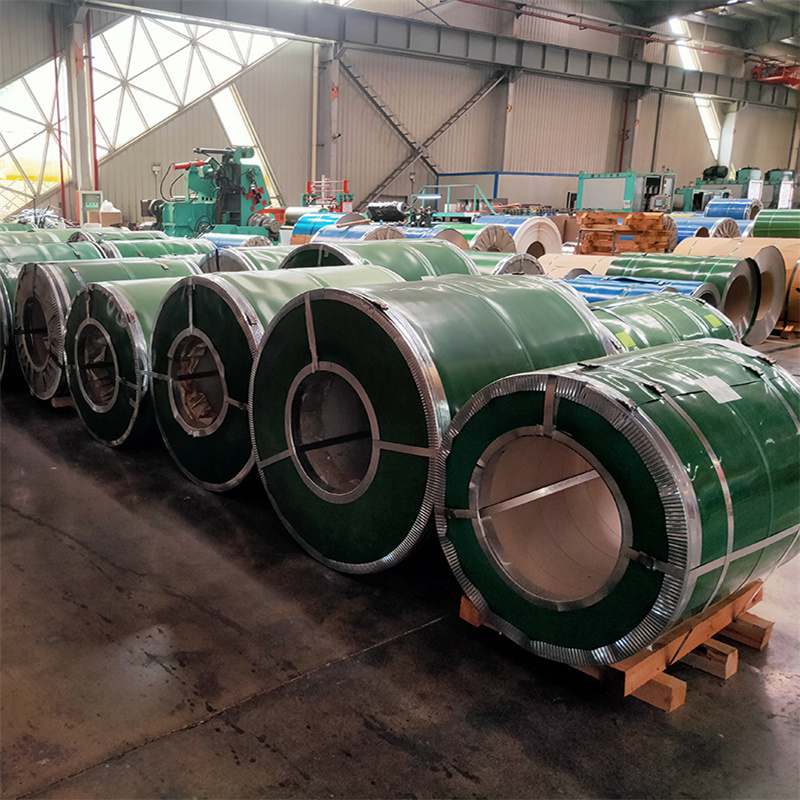
Stainless steel is one of the most widely used materials in the world today. It is strong, rust-resistant, easy to clean, and long-lasting. Because of these advantages, stainless steel is used in construction, automotive parts, kitchen equipment, medical tools, and industrial machinery.
However, many people still ask: how is stainless steel made?
In this guide, we will explain the full stainless steel manufacturing process, the main raw materials, and the common applications of stainless steel products. We will also introduce quality stainless steel solutions from ZYCP Stainless Steel.
What Is Stainless Steel?
Stainless steel is a steel alloy that contains iron, chromium, and other elements. The key ingredient is chromium. Usually, stainless steel contains at least 10.5% chromium.
When chromium reacts with oxygen, it forms a thin protective layer on the surface. This layer helps prevent rust and corrosion. As a result, stainless steel performs well in wet, hot, and chemical environments.
Different grades of stainless steel also contain nickel, molybdenum, carbon, titanium, or manganese. These elements improve strength, heat resistance, and corrosion resistance.
What Raw Materials Are Used to Make Stainless Steel?
The stainless steel production process starts with several important raw materials.
Iron Ore
Iron is the base metal in stainless steel. It provides strength and durability.
Chromium
Chromium is the most important alloying element. It improves corrosion resistance and gives stainless steel its “stainless” property.
Nickel
Nickel improves toughness and helps stainless steel resist high temperatures and corrosion.
Molybdenum
Molybdenum increases resistance to chemicals and seawater corrosion. Therefore, it is commonly used in marine-grade stainless steel.
Recycled Stainless Steel Scrap
Today, many manufacturers use recycled stainless steel scrap during production. This reduces waste, lowers costs, and supports environmental protection.
How Is Stainless Steel Made? Step-by-Step Manufacturing Process
The stainless steel manufacturing process includes several key stages. Each step affects the final quality and performance of the material.
Stainless Steel Melting Process
The first step is melting the raw materials in an electric arc furnace.
Manufacturers combine iron ore, chromium, nickel, and recycled stainless steel scrap inside the furnace. Then, the furnace heats the materials at extremely high temperatures, often above 1,600°C.
The melting process usually takes 8 to 12 hours. During this stage, manufacturers carefully control the chemical composition.
As a result, the molten stainless steel reaches the required grade and quality.
Stainless Steel Refining and Decarburization
After melting, the molten steel moves to the refining stage.
At this point, manufacturers remove excess carbon and unwanted impurities. This process is called decarburization.
Common refining methods include:
- Argon Oxygen Decarburization (AOD)
- Vacuum Oxygen Decarburization (VOD)
These methods improve corrosion resistance and help achieve precise chemical balance.
Because of this step, stainless steel becomes cleaner and more durable.
Stainless Steel Casting Process
Next, the refined molten steel is cast into solid forms.
Manufacturers usually use continuous casting technology to create:
- Stainless steel slabs
- Stainless steel billets
- Stainless steel blooms
These semi-finished products are easier to process into sheets, coils, bars, pipes, and strips.
Hot Rolling Stainless Steel
After casting, the stainless steel passes through hot rolling mills.
During hot rolling, the material is heated above its recrystallization temperature. Then, large rollers flatten and shape the steel into thinner forms.
Hot rolling helps improve:
- Workability
- Thickness control
- Surface uniformity
At this stage, manufacturers produce stainless steel plates, coils, and sheets in different sizes.
Cold Rolling Stainless Steel
Many stainless steel products also go through cold rolling.
Unlike hot rolling, cold rolling happens at room temperature. This process improves:
- Surface finish
- Strength
- Precision
- Flatness
Cold-rolled stainless steel is commonly used for decorative panels, automotive parts, kitchen appliances, and electronics.
Annealing and Pickling Stainless Steel
After rolling, the stainless steel undergoes annealing and pickling.
Annealing
Annealing heats the steel and slowly cools it down. This softens the material and reduces internal stress.
Pickling
Pickling removes oxide scale and impurities from the surface using acid solutions.
As a result, the stainless steel surface becomes clean, smooth, and corrosion-resistant.
Stainless Steel Finishing Process
The final step is finishing.
Manufacturers apply different surface finishes depending on the application.
Common finishes include:
- No.1 Finish
- 2B Finish
- BA Finish
- Mirror Finish
- Hairline Finish
Surface finishing improves both appearance and performance.
For example, mirror-finished stainless steel is popular in elevators and decorative architecture, while brushed finishes are common in kitchen equipment.
Common Types of Stainless Steel
Different stainless steel grades are designed for different industries.
304 Stainless Steel
304 stainless steel is the most common grade. It offers good corrosion resistance, easy fabrication, and affordable cost.
Applications include:
- Kitchen equipment
- Food processing
- Household appliances
- Decorative materials
316 Stainless Steel
316 stainless steel contains molybdenum, so it provides stronger corrosion resistance.
It is widely used in:
- Marine equipment
- Chemical processing
- Medical devices
- Coastal construction
430 Stainless Steel
430 stainless steel is a ferritic stainless steel with good heat resistance and lower cost.
It is often used for:
- Home appliances
- Automotive trim
- Decorative panels
Stainless Steel Applications in Different Industries
Because stainless steel combines strength, hygiene, and corrosion resistance, it is used in many industries.
Stainless Steel in Construction
Construction companies use stainless steel for:
- Building facades
- Handrails
- Roofing systems
- Structural support
Its modern appearance and weather resistance make it ideal for architecture.
Stainless Steel in Automotive Industry
The automotive industry uses stainless steel for:
- Exhaust systems
- Fuel tanks
- Trim components
- Structural parts
Stainless steel improves durability and heat resistance in vehicles.
Stainless Steel in Food Processing
Food-grade stainless steel is safe, hygienic, and easy to clean.
Therefore, it is widely used for:
- Food machinery
- Kitchen sinks
- Storage tanks
- Restaurant equipment
Stainless Steel in Medical Equipment
Medical-grade stainless steel is resistant to bacteria and corrosion.
Applications include:
- Surgical instruments
- Hospital equipment
- Medical trays
- Dental tools
High-Quality Stainless Steel Products From ZYCP
As a professional stainless steel supplier, ZYCP Stainless Steel provides a wide range of stainless steel products for global industries.
Their main products include:
- Stainless steel sheets
- Stainless steel coils
- Stainless steel strips
- Stainless steel pipes
- Stainless steel bars
ZYCP offers various grades such as:
- 201 stainless steel
- 304 stainless steel
- 316 stainless steel
- 430 stainless steel
- Duplex stainless steel
In addition, the company provides customized sizes, surface finishes, and processing services to meet different project needs.
Because of strict quality control and stable supply capacity, ZYCP products are widely used in construction, automotive manufacturing, industrial equipment, and home appliances.
Why Stainless Steel Is So Popular
Stainless steel remains one of the best industrial materials for several reasons.
Excellent Corrosion Resistance
The chromium layer protects the surface from rust and oxidation.
High Strength and Durability
Stainless steel performs well under pressure, heat, and harsh environments.
Easy Maintenance
It is easy to clean and maintain, especially in food and medical industries.
Eco-Friendly Material
Stainless steel is 100% recyclable, making it a sustainable material choice.
Attractive Appearance
Its smooth and modern finish works well in decorative applications.
Conclusion
So, how is stainless steel made?
The process involves melting raw materials, refining the molten steel, casting, rolling, annealing, pickling, and finishing. Every step is important because it affects the strength, corrosion resistance, and appearance of the final product.
Today, stainless steel plays a major role in construction, automotive manufacturing, food processing, medical equipment, and many other industries.
If you are looking for reliable stainless steel products, ZYCP Stainless Steel offers high-quality stainless steel sheets, coils, strips, pipes, and customized solutions for global customers.


