Stainless steel is one of the most widely used materials in modern industry. Among all stainless steel grades, 304 stainless steel and 316 stainless steel are the two most popular choices. However, many buyers still ask the same question: What is the difference between 304 and 316 stainless steel, and which one is better?
The answer depends on your application, environment, and budget. While both materials offer excellent corrosion resistance and durability, they perform differently in harsh conditions. In this guide, we will compare 304 vs 316 stainless steel in detail, including composition, corrosion resistance, strength, price, and common uses. We will also introduce high-quality stainless steel products from ZYCP Stainless Steel.
What Is 304 Stainless Steel?
304 stainless steel is the most common austenitic stainless steel grade. It contains around 18% chromium and 8% nickel, which is why it is sometimes called 18/8 stainless steel.
Because of its balanced performance and affordable price, 304 stainless steel is widely used in many industries. It offers good corrosion resistance, easy fabrication, and a clean surface finish.
Main Features of 304 Stainless Steel
- Excellent corrosion resistance in normal environments
- Good welding and forming performance
- Smooth and attractive surface
- Easy to clean and maintain
- Cost-effective for general applications
Common Applications of 304 Stainless Steel
- Kitchen equipment
- Food processing machines
- Water tanks
- Architectural decoration
- Automotive parts
- Household appliances
What Is 316 Stainless Steel?
316 stainless steel is another austenitic stainless steel grade. Compared with 304 stainless steel, it contains molybdenum, usually around 2–3%. This extra element greatly improves corrosion resistance, especially against chlorides and saltwater.
As a result, 316 stainless steel is often used in marine, chemical, and medical environments where corrosion is more severe.
Main Features of 316 Stainless Steel
- Superior corrosion resistance
- Better resistance to salt and chemicals
- High durability in harsh environments
- Strong heat resistance
- Long service life
Common Applications of 316 Stainless Steel
- Marine equipment
- Chemical processing systems
- Medical instruments
- Pharmaceutical equipment
- Coastal architectural projects
- Heat exchangers
304 vs 316 Stainless Steel: Chemical Composition Difference
One of the biggest differences between 304 and 316 stainless steel is their chemical composition.
304 Stainless Steel Composition
- Chromium: 18–20%
- Nickel: 8–10.5%
- Molybdenum: None
316 Stainless Steel Composition
- Chromium: 16–18%
- Nickel: 10–14%
- Molybdenum: 2–3%
The added molybdenum in 316 stainless steel improves its resistance to pitting and crevice corrosion. Therefore, 316 performs much better in salty or chemical-rich environments.
304 vs 316 Stainless Steel Corrosion Resistance
Corrosion resistance is one of the most important factors when choosing stainless steel.
304 Stainless Steel Corrosion Resistance
304 stainless steel works very well in dry and clean environments. It can resist rust and oxidation in most indoor and outdoor conditions. However, it may corrode when exposed to saltwater or strong chemicals for a long time.
316 Stainless Steel Corrosion Resistance
316 stainless steel offers higher corrosion resistance because of its molybdenum content. It performs especially well in marine and chemical environments. Therefore, it is often called marine-grade stainless steel.
If your project involves seawater, coastal areas, or chemical exposure, 316 stainless steel is usually the better choice.
304 vs 316 Stainless Steel Strength and Durability
Both 304 and 316 stainless steel have excellent mechanical strength and durability. In many applications, their strength levels are very similar.
However, 316 stainless steel generally performs better in extreme temperatures and aggressive environments. It also keeps its appearance longer under harsh conditions.
For normal industrial or household use, 304 stainless steel is usually strong enough. But for demanding industries, 316 stainless steel offers extra reliability.
304 vs 316 Stainless Steel Price Difference
Price is another important factor for buyers.
304 stainless steel is more affordable because it does not contain molybdenum. Therefore, it is widely used for general applications where high corrosion resistance is not necessary.
316 stainless steel is more expensive due to its higher nickel and molybdenum content. However, its longer lifespan in corrosive environments can reduce maintenance and replacement costs over time.
Which Stainless Steel Offers Better Value?
- Choose 304 stainless steel for cost-effective daily use
- Choose 316 stainless steel for harsh environments and long-term durability
Which Is Better: 304 or 316 Stainless Steel?
There is no single answer because each grade has its own advantages.
Choose 304 Stainless Steel If You Need
- Lower material cost
- Good general corrosion resistance
- Easy fabrication and welding
- Indoor or mild outdoor applications
Choose 316 Stainless Steel If You Need
- Strong resistance to saltwater
- Better chemical resistance
- Marine or coastal applications
- Long-term durability in harsh environments
In simple terms, 316 stainless steel is technically better in corrosion resistance, but 304 stainless steel is more economical for everyday use.
ZYCP Stainless Steel Products for Industrial Applications
As a professional stainless steel supplier, ZYCP Stainless Steelprovides high-quality stainless steel materials for global customers. The company offers a wide range of stainless steel products for construction, manufacturing, automotive, marine, and industrial industries.
ZYCP Stainless Steel Product Range
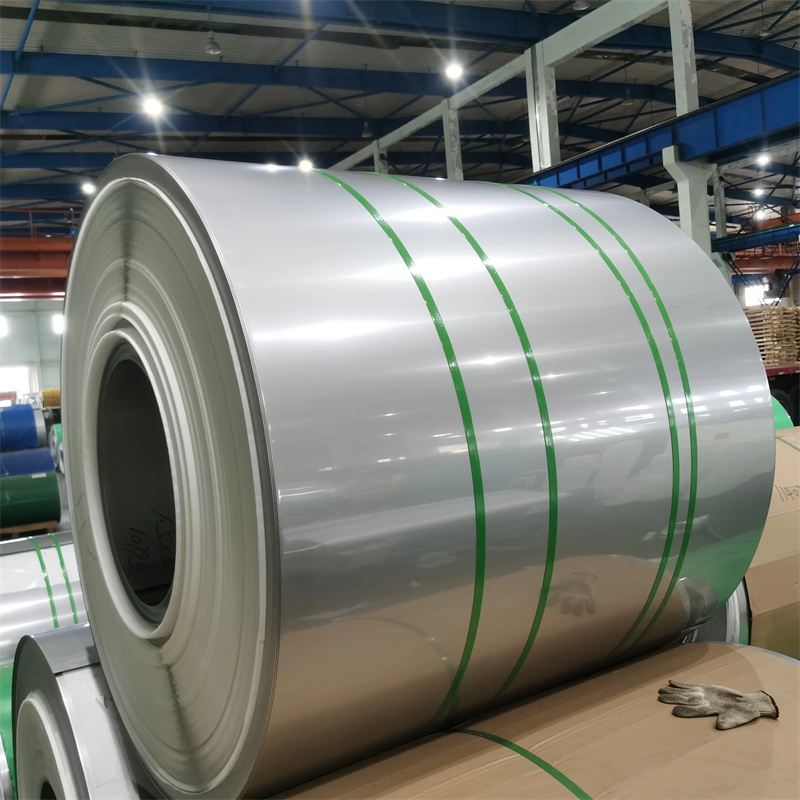
- Stainless steel coils
- Stainless steel sheets and plates
- Stainless steel strips
- Stainless steel pipes and tubes
- Stainless steel bars
- Customized stainless steel solutions
ZYCP supplies both 304 stainless steel and 316 stainless steel products with reliable quality and competitive prices. In addition, the company supports custom sizes, surface finishes, and processing services to meet different project needs.
Why Choose ZYCP Stainless Steel?
- Rich industry experience
- Strict quality control
- Stable material supply
- Fast delivery service
- Professional customer support
- Customized stainless steel processing
Whether you need stainless steel for food equipment, marine engineering, or industrial manufacturing, ZYCP can provide suitable solutions.
How to Identify 304 and 316 Stainless Steel
Many people cannot easily tell the difference between 304 and 316 stainless steel just by appearance because they look very similar.
Here are several common identification methods:
Check Material Certificates
The most reliable method is reviewing the mill test certificate or material report.
Use Chemical Testing
Professional chemical analysis can identify molybdenum content in 316 stainless steel.
Perform Salt Spray Testing
316 stainless steel usually performs better in salt spray tests due to its improved corrosion resistance.
Use Portable Material Analyzers
Industrial analyzers such as XRF devices can quickly identify stainless steel grades.
Final Thoughts on 304 vs 316 Stainless Steel
When comparing 304 vs 316 stainless steel, both materials offer excellent performance and long service life. However, the right choice depends on your working environment and budget.
304 stainless steel is ideal for general-purpose applications because it is affordable, durable, and easy to process. On the other hand, 316 stainless steel provides better corrosion resistance and is more suitable for marine, chemical, and high-moisture environments.
If you are looking for reliable stainless steel products, ZYCP Stainless Steel offers professional solutions for various industrial needs.


