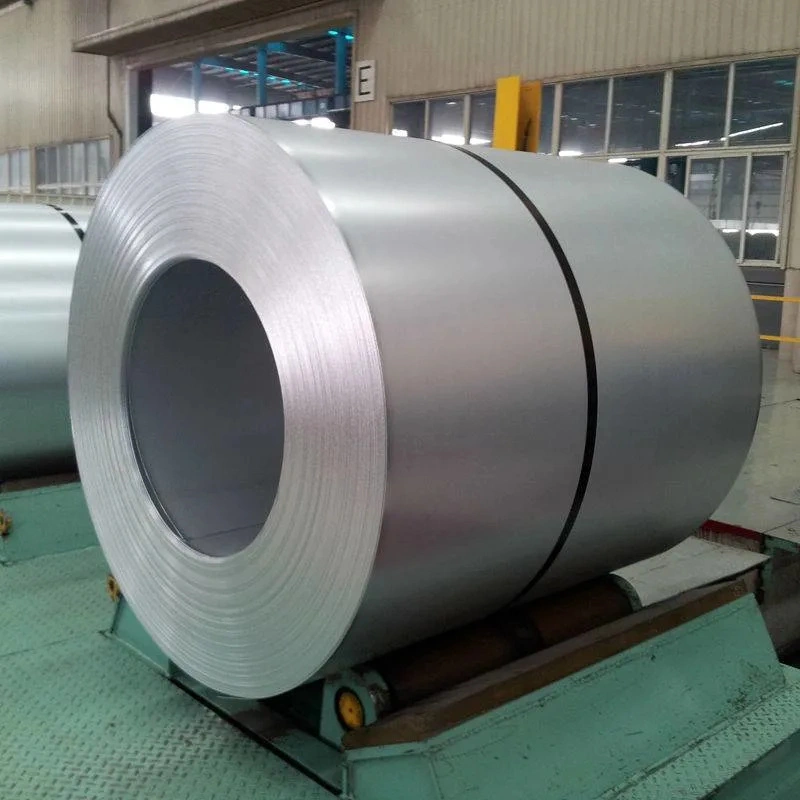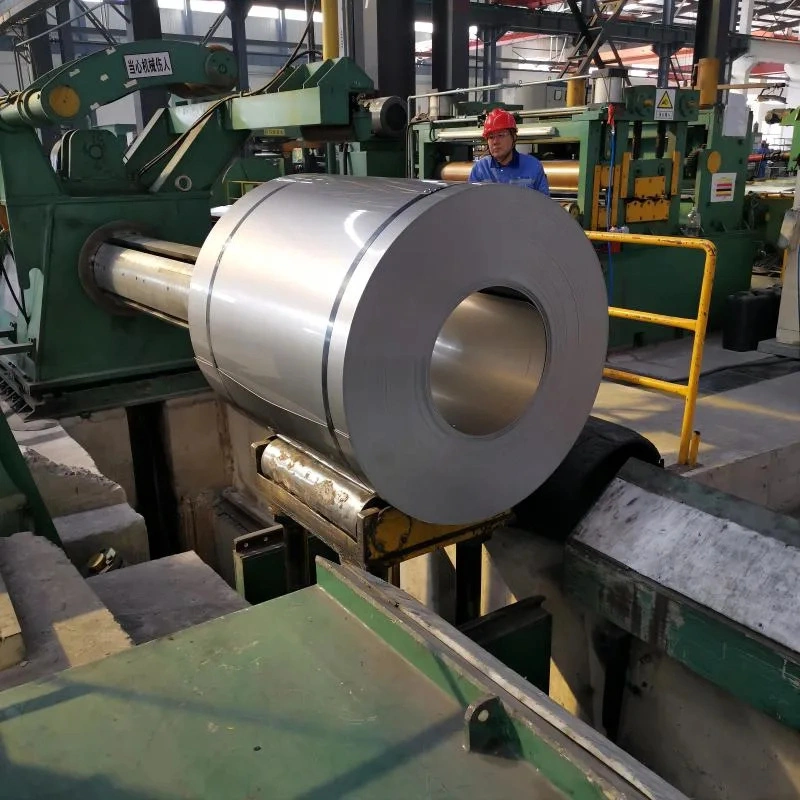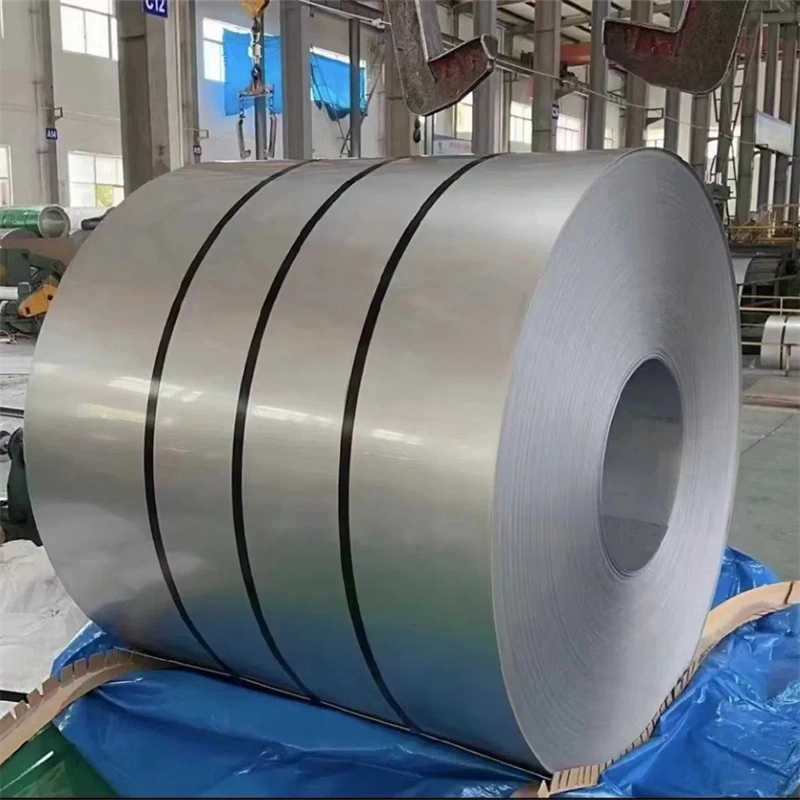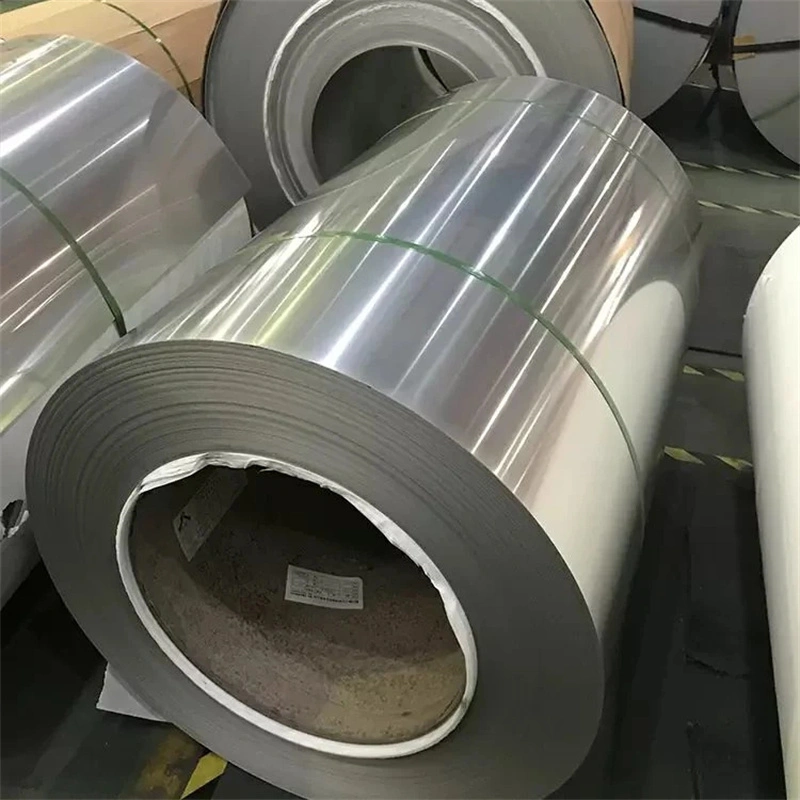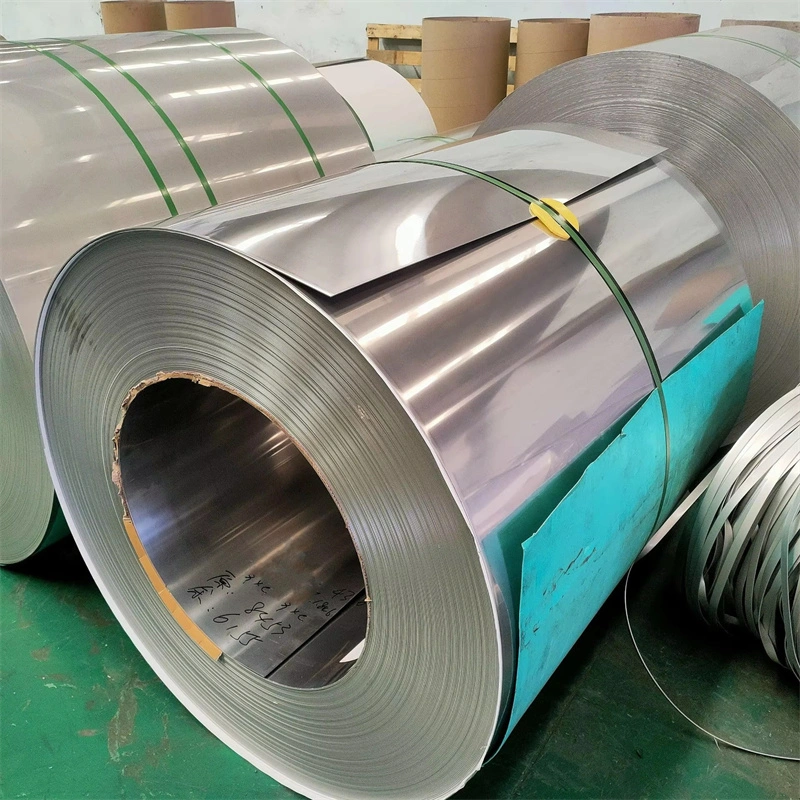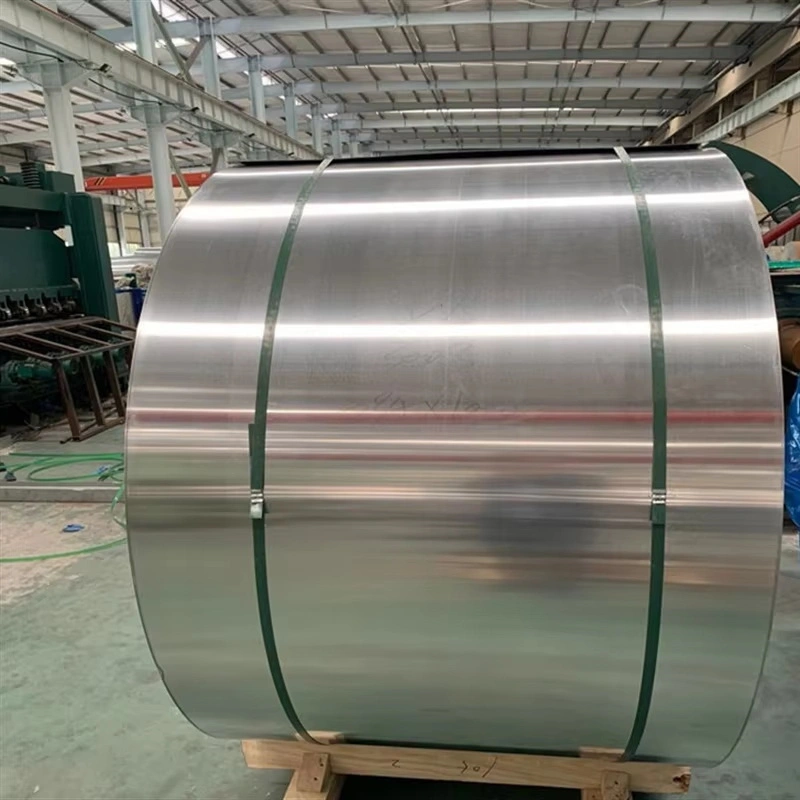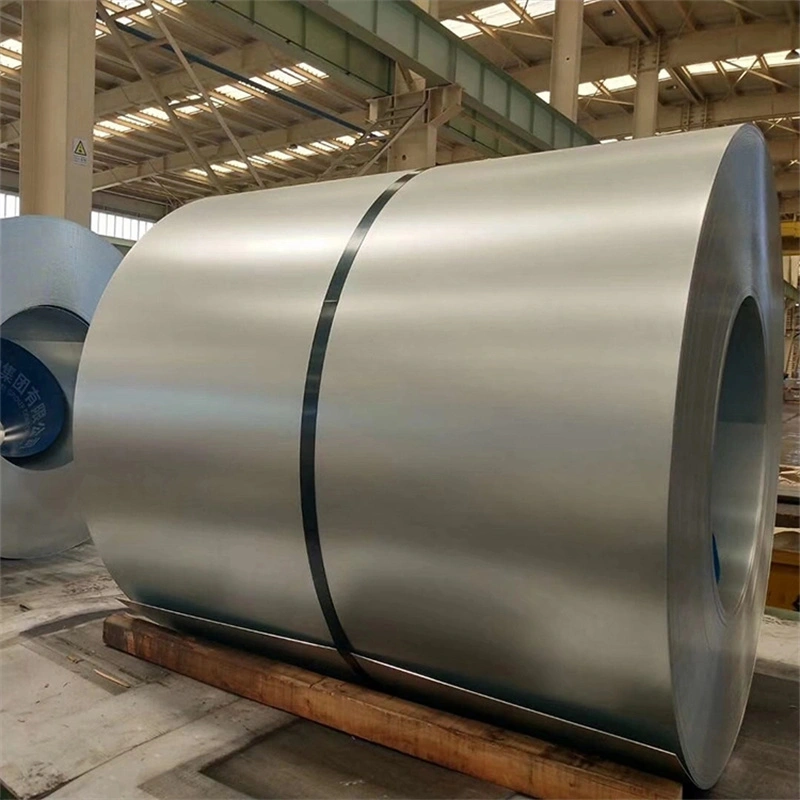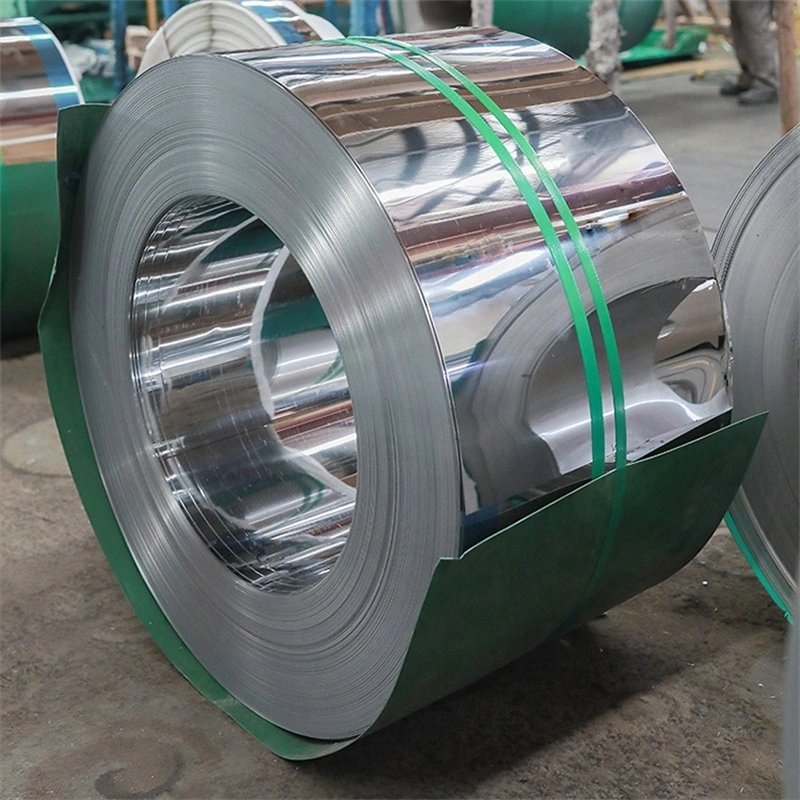
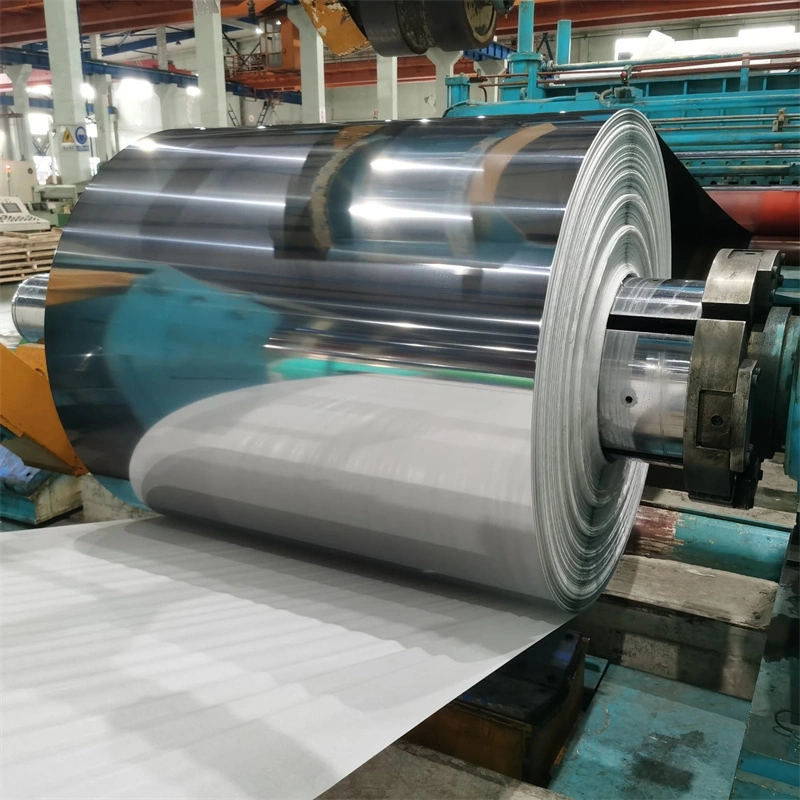


420 Stainless Steel Coil Product Overview
420 Stainless Steel Coil is a martensitic stainless steel with medium carbon content, designed to achieve high hardness and excellent wear resistance after heat treatment. It is widely used in applications requiring sharp edges, durability, and resistance to abrasion.
With proper quenching and tempering, 420 stainless steel can reach very high hardness levels, making it a preferred material for cutting tools, surgical instruments, and precision components.
Key Features of 420 Stainless Steel Coil
1. High Hardness After Heat Treatment
420 stainless steel can be hardened through quenching and tempering, achieving excellent hardness levels suitable for cutting and wear-resistant applications.
2. Excellent Wear Resistance
The increased carbon content enhances its resistance to abrasion, making it ideal for components exposed to friction and repeated use.
3. Good Edge Retention
Maintains sharp edges over time, which is essential for knives, blades, and precision cutting tools.
4. Moderate Corrosion Resistance
Provides acceptable corrosion resistance in mild environments, especially when polished or properly finished.
5. Magnetic Properties
As a martensitic stainless steel, 420 is magnetic, which can be advantageous in certain mechanical and industrial uses.
Technical Advantages
- Superior hardness compared to 410 stainless steel
- Strong wear and abrasion resistance
- Excellent performance in cutting applications
- Can be precision-machined after heat treatment
- Cost-effective solution for high-strength components
Typical Applications
1. Cutting Tools
Widely used for manufacturing industrial cutting tools, blades, and machining tools due to its hardness and edge retention.
2. Surgical Instruments
Ideal for medical tools such as scalpels, forceps, and scissors where precision and durability are critical.
3. Bearings
Suitable for bearing components requiring high wear resistance and mechanical strength.
4. Valves and Mechanical Parts
Used in valve components and mechanical parts exposed to pressure and wear.
5. Knife Blades
Commonly used in kitchen knives, industrial blades, and specialty cutting equipment.
Processing & Fabrication
- Can be hardened by quenching and tempering
- Suitable for grinding and polishing to achieve smooth surfaces
- Machining is typically performed before hardening
- Requires controlled welding due to high carbon content
Surface Finish Options
- 2B Finish
- BA (Bright Annealed)
- Polished / Mirror Finish
- Ground Finish