

Product Features
Excellent High-Temperature Resistance
321 stainless steel strip performs well in continuous high-temperature environments. The addition of titanium helps stabilize the material structure and reduces carbide precipitation, allowing the strip to maintain strength and durability under thermal stress.
Strong Intergranular Corrosion Resistance
Because titanium combines with carbon elements, 321 stainless steel effectively prevents intergranular corrosion after welding. This feature makes it suitable for welded structures and heat-affected applications.
Good Oxidation Resistance
The material provides reliable oxidation resistance at elevated temperatures. It can withstand harsh industrial environments where heat and oxidation are common.
Excellent Mechanical Properties
321 stainless steel strip offers good toughness, ductility, and formability. It is suitable for bending, stamping, cutting, and welding processes, supporting various manufacturing needs.
Stable Welding Performance
This stainless steel strip has excellent weldability without requiring post-weld annealing in many applications. It is ideal for fabricating components exposed to high temperatures.
Product Advantages
- Stable performance in high-temperature environments
- Longer service life under thermal cycling conditions
- Reduced risk of weld corrosion and cracking
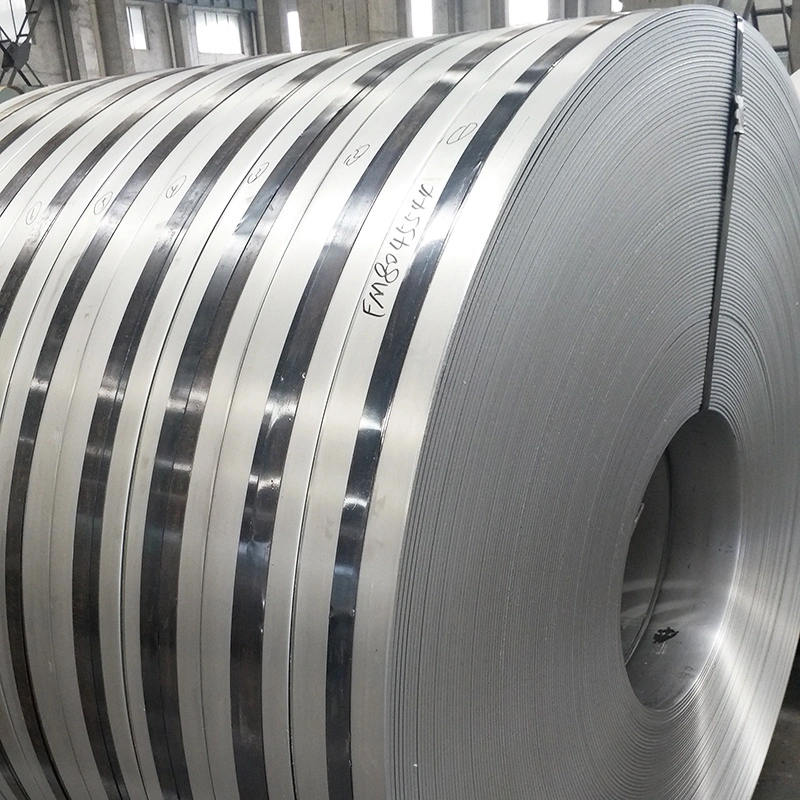
- Smooth surface finish and precise thickness tolerance
- Suitable for custom processing and fabrication
Application Scenarios
Automotive Exhaust Systems
321 stainless steel strip is widely used in exhaust manifolds, mufflers, catalytic converter components, and emission systems because of its heat resistance and durability.
Boiler and Heat Exchanger Components
The material is suitable for boiler tubes, heat exchangers, and thermal processing equipment operating under high temperatures and pressure.
High-Temperature Industrial Pipelines
It is commonly used in petrochemical, chemical processing, and power generation industries for pipelines carrying hot gases or corrosive fluids.
Aerospace Components
Due to its excellent thermal stability and oxidation resistance, 321 stainless steel strip is often applied in aircraft exhaust parts, engine components, and aerospace structural systems.
Industrial Manufacturing Equipment
The strip is also used for furnace parts, expansion joints, flexible connectors, and other equipment exposed to repeated heating cycles.
Available Processing Options
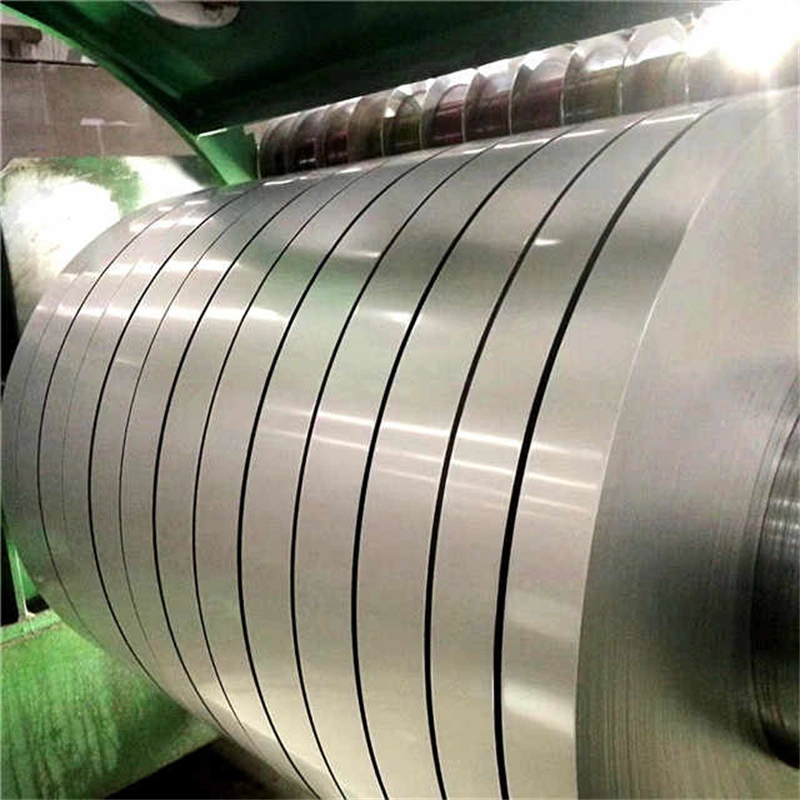
321 stainless steel strip can be supplied in different conditions and finishes according to project requirements, including:
- Cold rolled or hot rolled
- BA, 2B, No.4, HL surface finishes
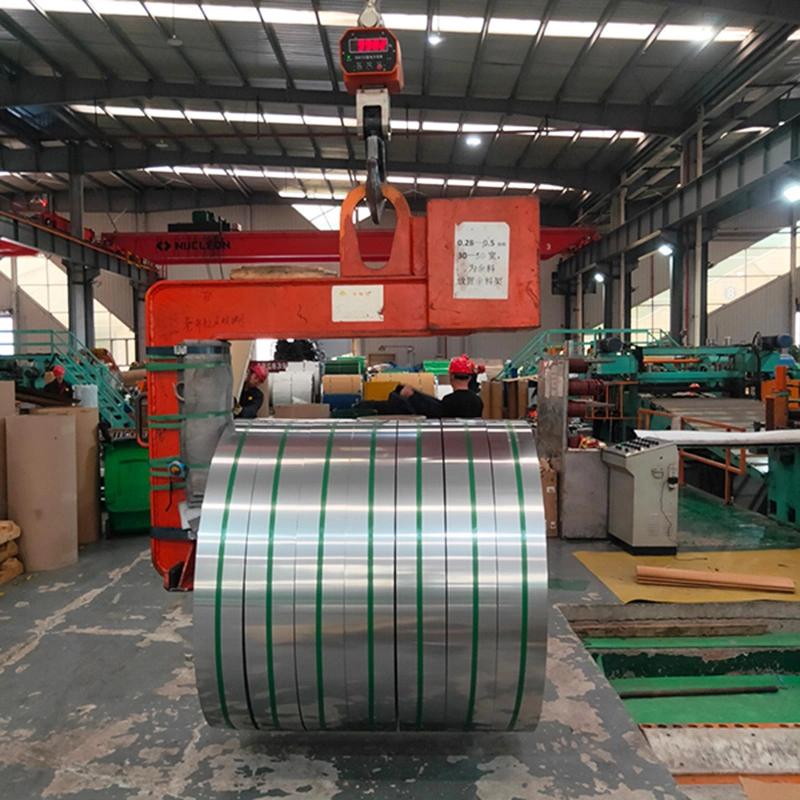
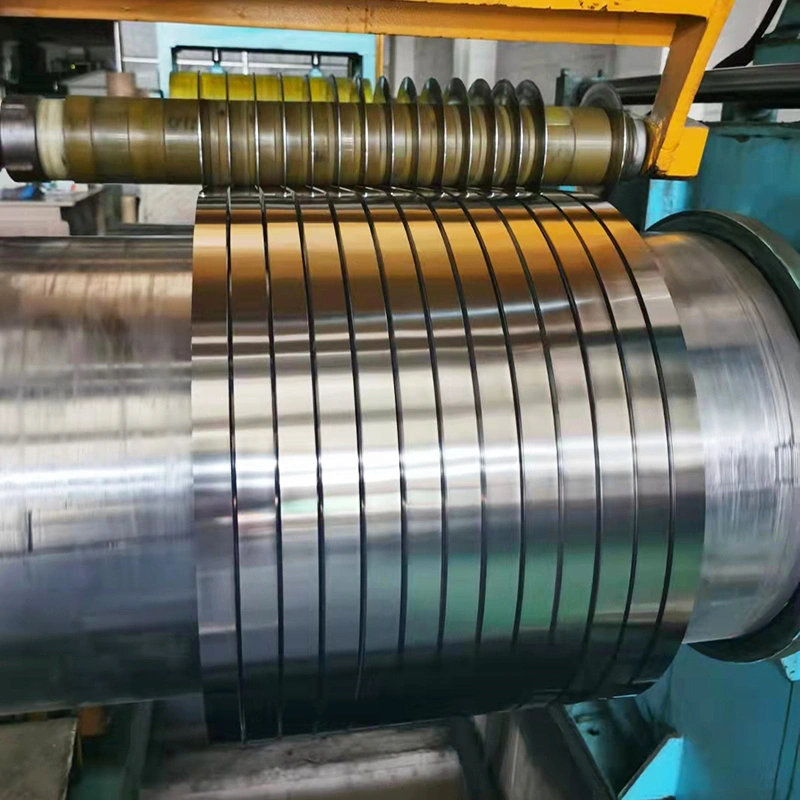
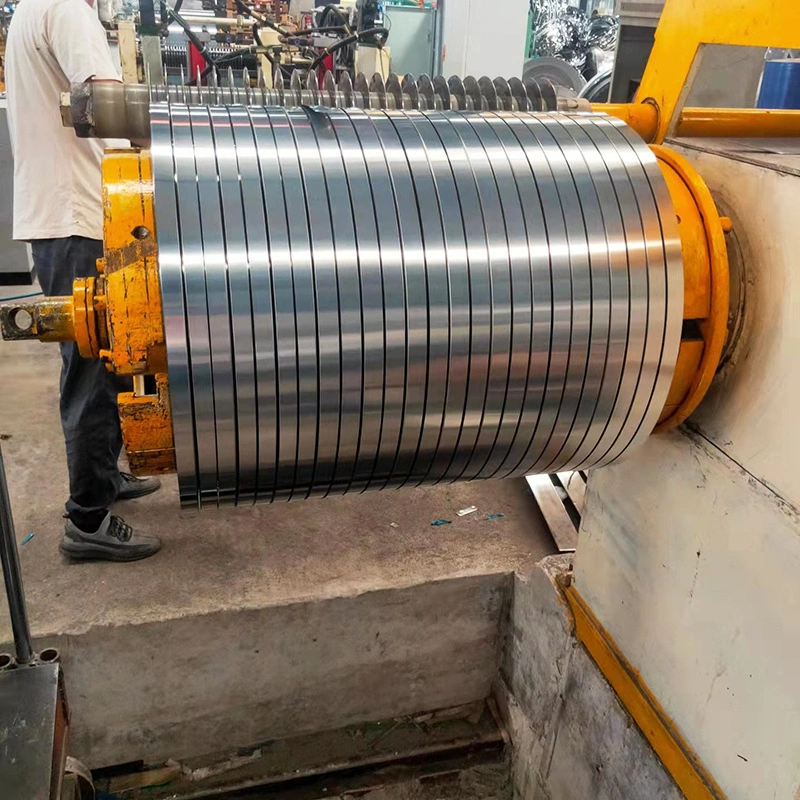
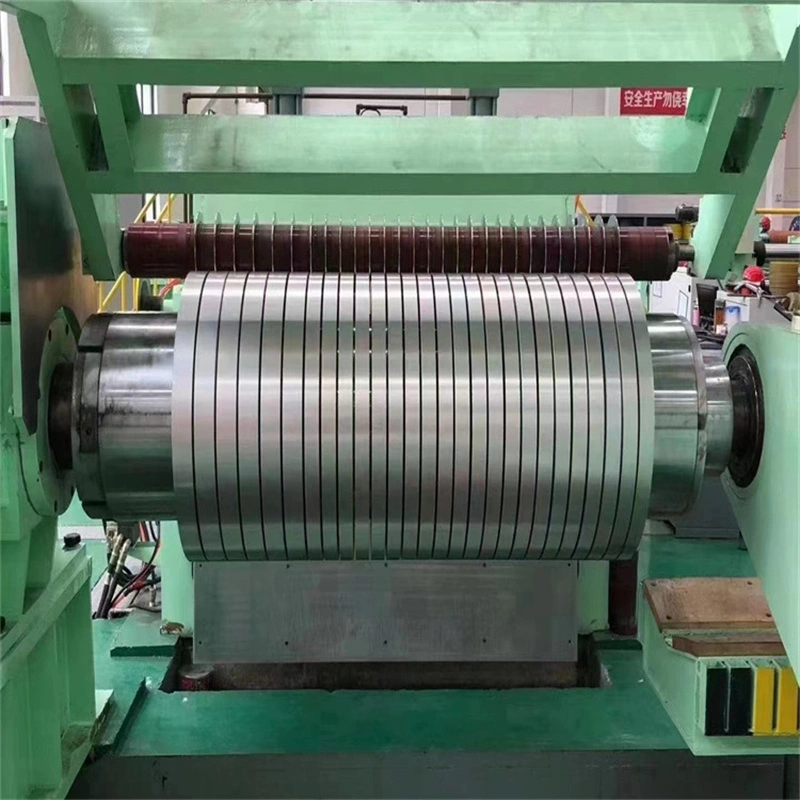
- Slitting and custom width processing
- Precision cutting and edge treatment
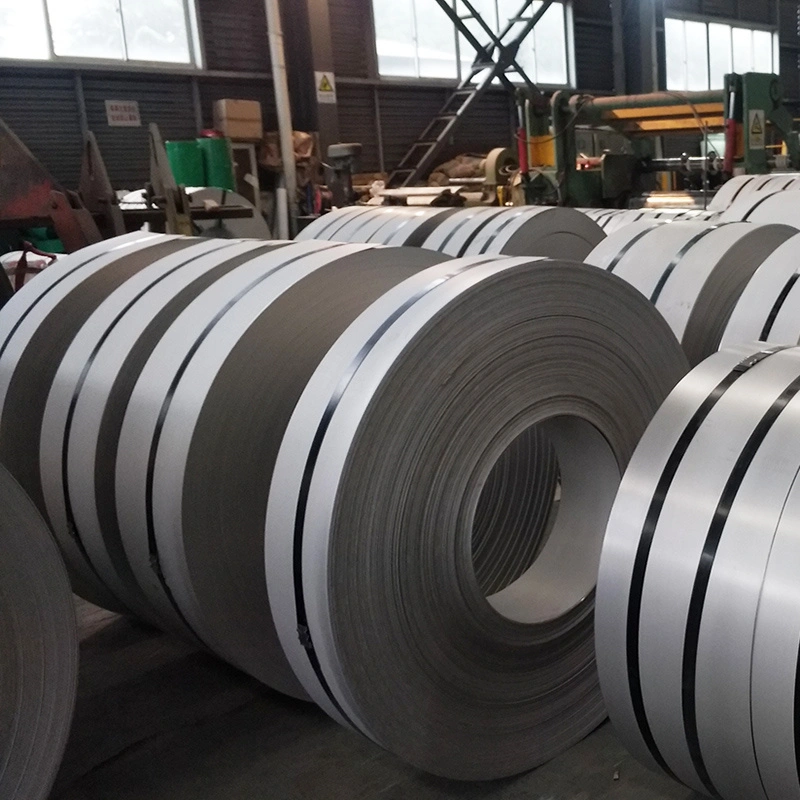
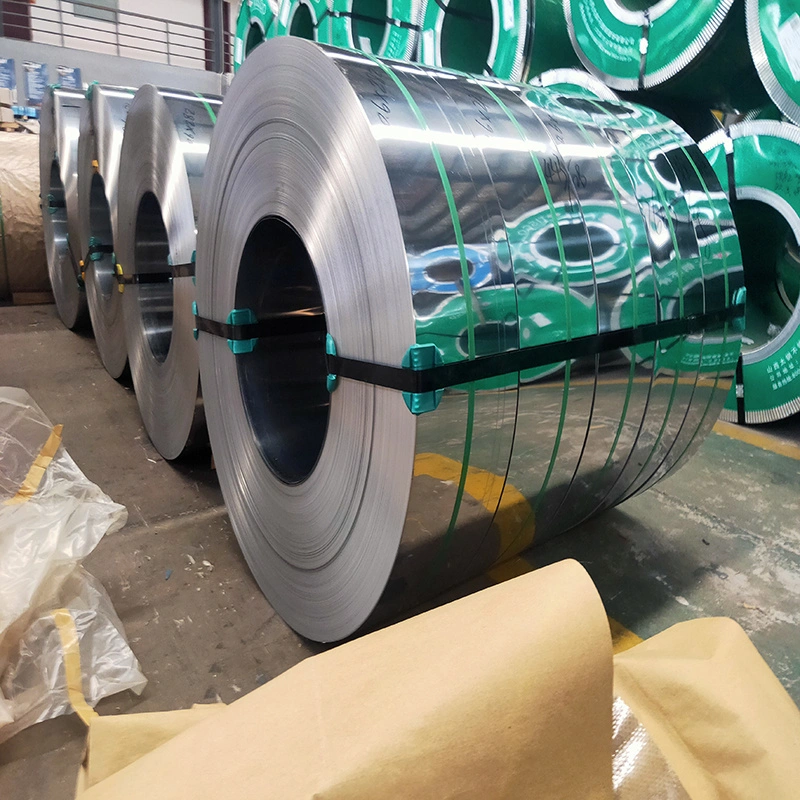
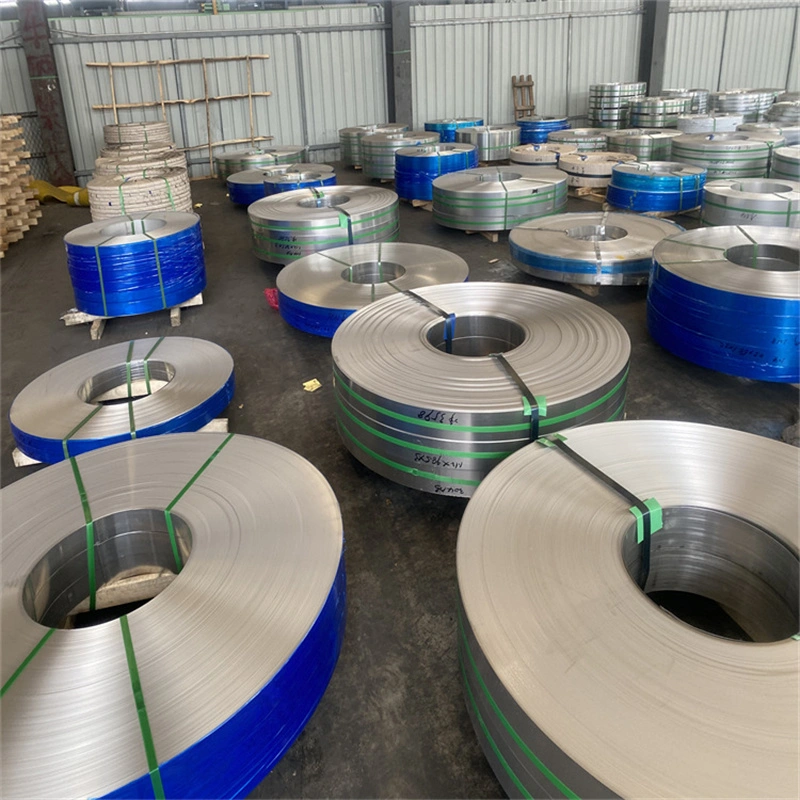
- Customized thickness and coil sizes