What Makes 904L Stainless Steel Coil Highly Corrosion Resistant?
News Details
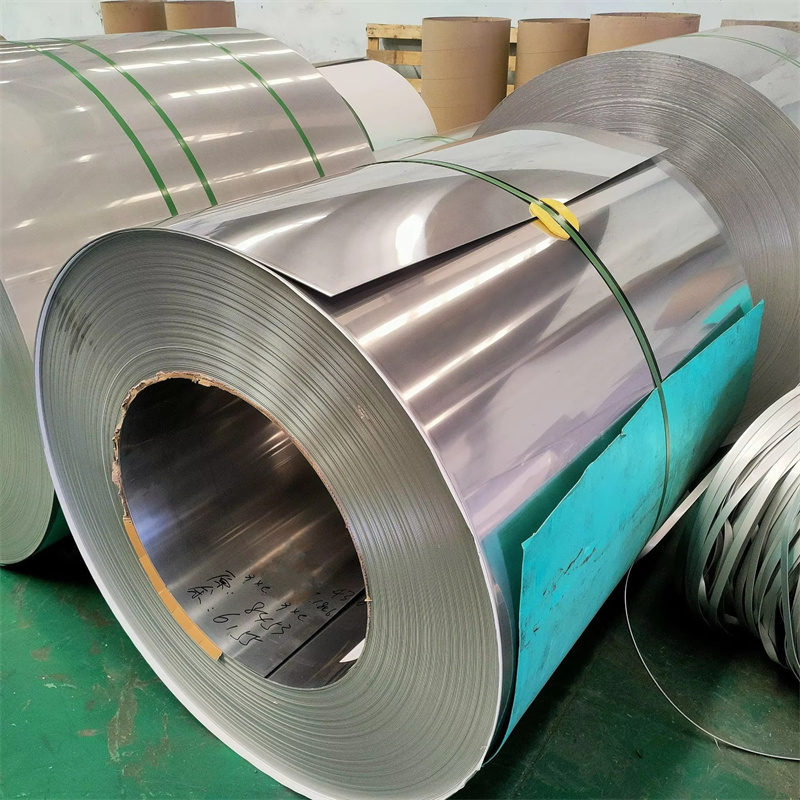
What Is 904L Stainless Steel Coil?
904L stainless steel coil is a high-alloy austenitic stainless steel known for its strong resistance to corrosion. It is designed for use in harsh environments where standard stainless steel grades may not provide enough protection.
The main reason for its high corrosion resistance is its special chemical makeup. In particular, 904L contains high levels of chromium, nickel, and molybdenum, along with added copper.
As a result, this steel can perform well in many acidic and chloride-rich environments. It is often used in chemical plants, marine equipment, oil and gas systems, and other demanding industrial applications.
However, corrosion resistance is only one part of its value. Its stable structure, good toughness, and ability to withstand many aggressive chemicals also make it a useful material for long-term industrial use.
Why Is 904L Stainless SteelCoil Highly Corrosion Resistant?
The corrosion resistance of 904L stainless steel coil comes from several alloy elements working together. Each element plays a different role in protecting the steel.
High Chromium Content Forms a Protective Surface
Chromium is one of the most important elements in stainless steel. When exposed to oxygen, it forms a thin, protective oxide film on the steel surface.
This film helps prevent corrosive substances from reaching the metal underneath. More importantly, it can repair itself when the surface is lightly damaged, as long as enough oxygen is available.
904L contains around 19–23% chromium. This high chromium content helps the steel resist general corrosion in many industrial environments.
Therefore, 904L stainless steel coil can maintain its surface protection under conditions that may cause ordinary carbon steel to rust quickly.
Molybdenum Improves Resistance to Pitting and Crevice Corrosion
Chlorides are common in seawater, salt solutions, and many industrial liquids. They can damage the protective film on stainless steel and cause local corrosion.
Two common forms of this damage are pitting corrosion and crevice corrosion.
Pitting creates small holes on the metal surface. Crevice corrosion often occurs in narrow gaps, such as under gaskets or around joints.
904L contains around 4–5% molybdenum. This element improves resistance to these forms of local corrosion.
As a result, 904L stainless steel coil is a good option for equipment that comes into contact with chloride-containing liquids. Still, the actual performance depends on chloride levels, temperature, and the design of the equipment.
Nickel Helps Maintain a Stable Austenitic Structure
Nickel plays another key role in 904L stainless steel. It helps form and maintain an austenitic structure, which gives the steel good toughness and ductility.
In addition, 904L contains a high level of nickel, usually around 23–28%.
This high nickel content supports the steel's performance in many acidic environments. It also helps reduce the risk of stress corrosion cracking in certain conditions.
Therefore, 904L is useful for equipment that needs both corrosion resistance and reliable mechanical performance.
Copper Improves Resistance to Certain Acids
Copper is another important part of the 904L alloy. It is added to improve resistance to some reducing acids, especially sulfuric acid.
This makes 904L useful in selected chemical processing applications where acid resistance is important.
However, copper does not make the steel resistant to every acid. The type of acid, its concentration, temperature, and the presence of other chemicals all affect performance.
For this reason, buyers should confirm the exact operating conditions before choosing 904L stainless steel coil for chemical equipment.
Low Carbon Content Reduces the Risk of Intergranular Corrosion
904L is a low-carbon stainless steel. Its carbon content is limited to a maximum of 0.02% under common ASTM specifications.
This matters because carbon can react with chromium during welding or heating. The reaction may form chromium carbides along the grain boundaries. As a result, nearby areas can lose chromium and become more likely to corrode.
With its low carbon content, 904L helps reduce this risk. Therefore, it is a suitable choice for welded tanks, pipes, and other equipment used in corrosive environments.
What Types of Corrosion Can 904L Stainless Steel Resist?
904L stainless steel coil offers strong resistance to several types of corrosion. However, its performance depends on the working environment.
Type of corrosion
How 904L helps
General corrosion
Its high chromium, nickel, and molybdenum content helps protect the metal surface.
Pitting corrosion
Molybdenum improves resistance to local attack caused by chlorides.
Crevice corrosion
High alloy content helps protect areas around joints and narrow gaps.
Acid corrosion
Copper and other alloy elements improve resistance to certain acids.
Stress corrosion cracking
High nickel content improves resistance to chloride-related cracking.
Intergranular corrosion
Low carbon content helps reduce corrosion risks after welding.
Even so, 904L is not completely corrosion-proof. Strong oxidizing acids, high temperatures, and certain chemical mixtures can still cause damage.
For critical applications, buyers should check the chemical concentration, operating temperature, and expected service life before selecting the material.
904L Stainless Steel Coil vs. 316L Stainless Steel Coil
Both 904L and 316L stainless steel coils are used in industrial equipment. However, they serve different needs.
316L is a common choice for general corrosion resistance and many standard industrial applications. In contrast, 904L is designed for more demanding environments, especially those involving certain acids and chloride solutions.
Property
904L stainless steel
316L stainless steel
Chromium
19–23%
16–18%
Nickel
23–28%
10–14%
Molybdenum
4–5%
2–3%
Copper
1–2%
Usually not intentionally added
Acid resistance
Strong resistance to certain reducing acids
More limited in many aggressive acid environments
Material cost
Generally higher
Generally lower
The main advantage of 904L is its higher alloy content. These added elements improve corrosion resistance in many harsh conditions.
However, higher alloy content also increases material cost. Therefore, 904L is not always the best choice for every project.
If 316L can meet the required service conditions, it may offer better value. On the other hand, when corrosion damage could lead to costly repairs or production downtime, 904L may be worth considering.
Main Applications of 904L Stainless Steel Coil
Because of its corrosion resistance, 904L stainless steel coil is used in several industries.
Chemical Processing Equipment
904L is used in selected chemical processing systems, including acid storage tanks, process vessels, and related equipment. Its resistance to certain acids makes it useful in demanding chemical environments.
Marine and Seawater Systems
904L can be used in marine equipment and selected seawater systems where chloride corrosion is a concern. However, seawater temperature, flow, and deposits must be considered.
Pharmaceutical Equipment
Its corrosion resistance and low-carbon composition make 904L a potential material for selected pharmaceutical process equipment. Surface finish and cleaning requirements also matter.
Flue Gas Treatment Systems
Some flue gas treatment systems contain acidic liquids and corrosive gases. 904L can be considered for parts exposed to these conditions, subject to proper material selection.
How to Choose the Right 904L Stainless Steel Coil
Choosing the right 904L stainless steel coil requires more than checking its grade. Buyers should also consider the product specifications and the needs of the final application.
Confirm the Chemical Composition
First, check whether the material meets the required 904L standard, such as UNS N08904. The chemical composition should match the applicable specification.
A material test certificate can help confirm the alloy content and traceability of the coil.
Check Thickness, Width, and Surface Finish
Next, confirm the required thickness and width. These dimensions affect forming, cutting, and the final equipment design.
The surface finish also matters. For example, some applications require a smooth surface that is easy to clean, while others focus more on fabrication needs.
Review the Operating Environment
Before placing an order, provide the supplier with details about the working conditions.
These include:
- The type and concentration of chemicals
- Operating temperature and pressure
- Chloride levels and exposure time
- Welding and forming requirements
- Required service life
With this information, the supplier can help you assess whether 904L is suitable for the project.
Work with a Reliable Stainless Steel Coil Supplier
A reliable supplier should provide clear product specifications, quality records, and support during material selection.
In addition, buyers should confirm product availability, delivery time, packaging, and inspection requirements before ordering.
How ZYCPsteel Supplies 904L Stainless Steel Coil
ZYCPsteel, operated by Jiangsu Zhong Yong Cheng Pu Precision Manufacturing Co., Ltd., is a stainless steel supplier based in Wuxi, Jiangsu, China.
The company supplies stainless steel products in different grades, sizes, and surface finishes. Its product range includes stainless steel coils, plates, sheets, strips, pipes, and bars.
ZYCPsteel offers 904L stainless steel coil for demanding applications such as chemical processing, acid storage tanks, pharmaceutical equipment, and flue gas treatment.
The company also lists 904L stainless steel strip, which is designed for highly corrosive environments.
For buyers, this product range provides options for projects that require different stainless steel forms. However, the exact coil dimensions, surface finish, quantity, and delivery schedule should be confirmed directly with the supplier.
Learn more about ZYCPsteel stainless steel coil products at https://www.zycsteelss.com/ or contact the company to discuss your project requirements.
Conclusion: Why Choose 904L Stainless Steel Coil?
904L stainless steel coil offers strong corrosion resistance because of its high chromium, nickel, and molybdenum content, along with added copper and low carbon.
Together, these elements help the steel resist general corrosion, pitting, crevice corrosion, and certain acids. As a result, 904L is a useful choice for many demanding industrial applications.
However, no stainless steel grade is suitable for every environment. Buyers should always review the actual working conditions and confirm the material specifications before making a decision.
For projects that require reliable corrosion resistance, 904L stainless steel coil from a qualified supplier such as ZYCPsteelcan be a practical material option.


