Stainless Steel Alloys Explained: 304, SUS 304, Food Grade, and Ferrous Metal Facts
News Details
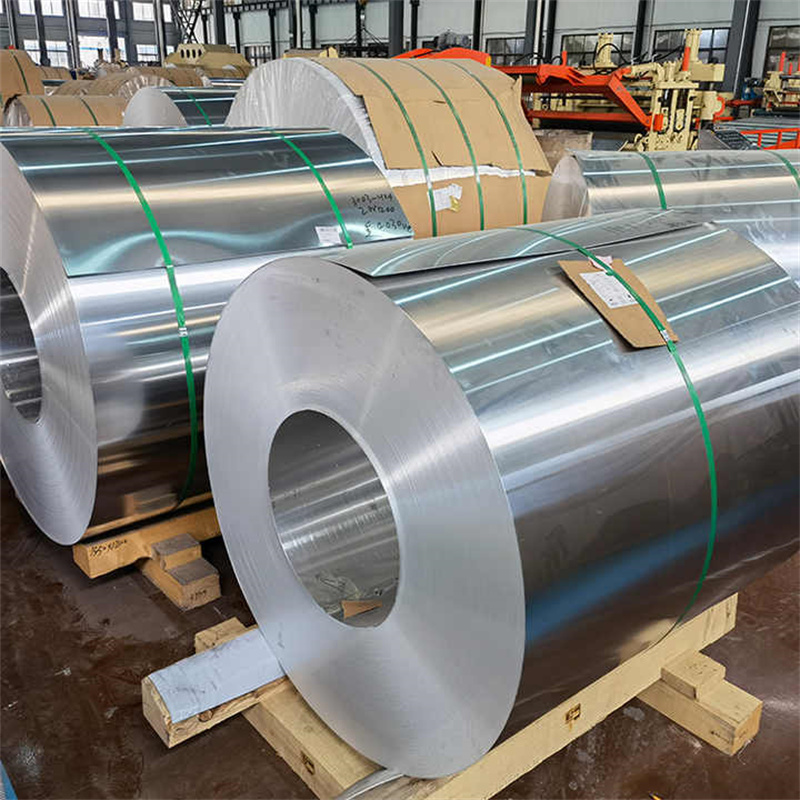
Stainless Steel Alloys — A Strategic Guide for B2B Procurement
In today's industrial supply chain, stainless steel alloys are essential materials for many industries. They offer excellent durability, strength, and corrosion resistance.
As a result, procurement teams rely on stainless steel for infrastructure, manufacturing, food processing, construction, and many other applications.
Their long service life and versatility make them one of the most valuable engineering materials in modern industry.
Is Stainless Steel a Ferrous Metal?
Many buyers often ask:
Is stainless steel a ferrous metal?
The answer is yes.
Stainless steel is classified as a ferrous metal because iron is its primary component. Therefore, it belongs to the same family as carbon steel and alloy steel.
However, there are important differences between regular steel and stainless steel.
Why Stainless Steel Resists Rust
The key difference is chromium.
While ordinary carbon steel rusts quickly when exposed to water and oxygen, stainless steel contains at least 10.5% chromium.
Chromium forms a thin protective oxide layer on the surface. This invisible barrier prevents corrosion and continuously repairs itself if damaged.
Because of this feature, stainless steel performs much better in wet, humid, and chemical environments.
Steel vs Stainless Steel
When comparing steel v stainless steel, buyers should consider:
- Corrosion resistance
- Strength
- Maintenance requirements
- Service life
- Total ownership cost
Although stainless steel usually costs more upfront, its longer lifespan often delivers greater value over time.
Understanding 304 Stainless Steel
Among all stainless grades, 304 stainless steel is the most widely used worldwide.
In fact, it represents more than half of global stainless steel production.
Chemical Composition of 304 Stainless Steel
A typical 304 stainless steel alloy contains:
- Approximately 18% chromium
- Approximately 8% nickel
- Iron as the balance
This composition provides:
- Excellent corrosion resistance
- Good formability
- Easy welding
- High durability
Because of these advantages, 304 stainless steel is commonly used in construction, industrial equipment, kitchen products, and processing systems.
What Does SUS 304 Mean?
When sourcing internationally, buyers frequently encounter the designation SUS 304.
SUS 304 Meaning Explained
Many procurement professionals ask:
What does SUS 304 mean?
"SUS" stands for Steel Use Stainless, the naming system used in Japanese Industrial Standards (JIS).
SUS 304 is essentially equivalent to AISI 304 stainless steel.
Why SUS 304 Matters for Global Sourcing
Understanding this equivalence provides several benefits:
- Easier supplier qualification
- Greater sourcing flexibility
- Better comparison of international quotations
- Simplified specification management
Even so, buyers should always verify mill certificates and material reports before approving shipments.
Food Grade Stainless Steel in Industrial Applications
Food safety is one of the most important areas for stainless steel applications.
What Is Food Grade Stainless Steel?
Food grade stainless steel refers to stainless materials that meet strict sanitary and safety requirements.
These materials must:
- Resist corrosion
- Prevent contamination
- Allow easy cleaning
- Maintain hygienic surfaces
In many industries, food grade stainless steel must comply with FDA and EU regulations.
Why 304 Stainless Steel Is Popular in Food Processing
304 stainless steel is widely recognized as a food grade material.
Its smooth, non-porous surface helps prevent bacterial growth and product contamination.
For this reason, it is commonly used in:
- Food processing equipment
- Dairy facilities
- Brewing systems
- Commercial kitchens
- Storage tanks
- Stainless steel piping systems
Importance of Material Traceability
To ensure compliance, manufacturers should require:
- Mill Test Certificates (MTC)
- Material traceability documents
- Third-party inspection reports
- Supplier quality audits
These records help reduce operational and legal risks.
Stainless Scrap and the Circular Economy
Another important topic for procurement teams is stainless scrap.
Why Stainless Scrap Matters
Recycled stainless steel plays a major role in sustainable manufacturing.
Recovering stainless scrap helps reduce:
- Raw material extraction
- Energy consumption
- Environmental impact
At the same time, valuable alloying elements such as chromium and nickel can be reused efficiently.
Performance of Recycled Stainless Steel
One of the biggest advantages of stainless scrap recycling is that alloy properties remain largely unchanged after remelting.
As a result, recycled stainless steel can deliver performance comparable to virgin material.
Cost Benefits of Stainless Scrap
Using recycled stainless materials can help companies:
- Lower procurement costs
- Improve sustainability metrics
- Reduce carbon emissions
- Meet green procurement requirements
Many organizations now prioritize suppliers that incorporate recycled content into their production processes.
Conclusion
Understanding stainless steel alloys is essential for effective B2B procurement.
Whether evaluating 304 stainless steel, learning what SUS 304 means, selecting food grade stainless steel, or exploring opportunities in stainless scrap, buyers must consider both technical performance and long-term value.
By understanding the differences between steel vs stainless steel and knowing whether stainless steel is a ferrous metal, procurement professionals can make more informed sourcing decisions while improving product quality, sustainability, and operational efficiency.


