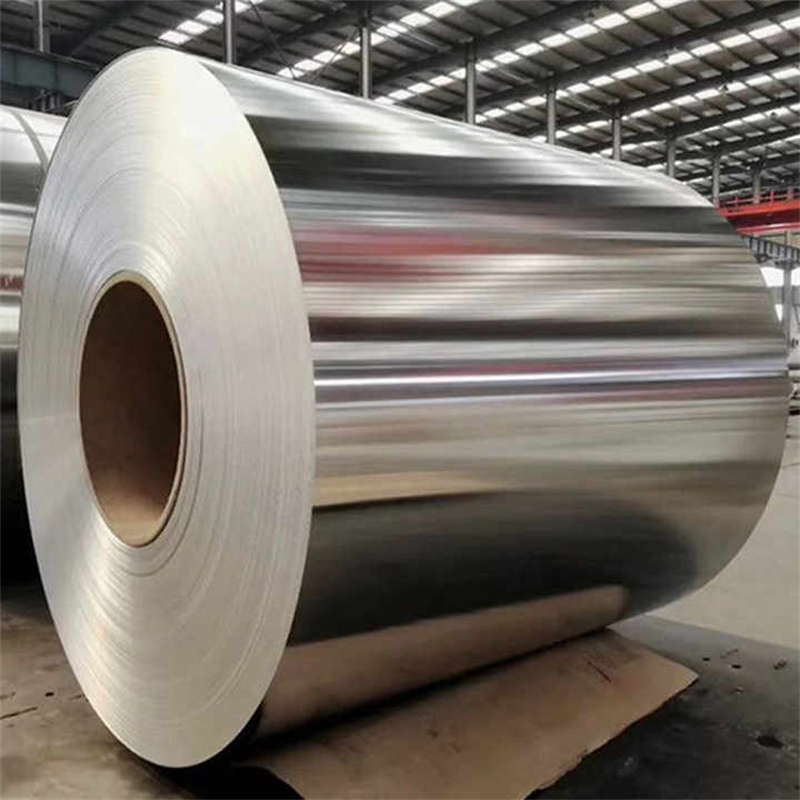
Understanding metal classification matters for every industrial buyer. Material selection directly affects product quality, service life, and long-term costs. One of the most common questions from procurement teams and engineers is: Is stainless steel a ferrous metal?
The answer is simple: Yes, stainless steel is classified as a ferrous metal because iron is its primary element. However, its corrosion resistance makes it perform differently from traditional ferrous materials.
For businesses looking for stainless steel products and custom processing solutions, visit ZYC Steel Stainless Steel Solutions to explore available grades and industrial applications.
What Defines Ferrous and Non-Ferrous Metals
Ferrous Metals
Ferrous metals contain iron as the main component.
Common examples include:
- Carbon Steel
- Cast Iron
- Stainless Steel
- Alloy Steel
Key advantages:
- High strength
- Excellent durability
- Good mechanical performance
- Often magnetic
Limitations:
- Standard ferrous metals can rust easily without protection.
Because of their structural performance, ferrous metals remain widely used across industrial manufacturing.
Non-Ferrous Metals
Non-ferrous metals contain little or no iron.
Typical examples include:
- Aluminum
- Copper
- Titanium
- Brass
Key advantages:
- Better corrosion resistance
- Lower weight
- Easier forming and fabrication
- Excellent conductivity
These characteristics make non-ferrous materials suitable for aerospace, electronics, and lightweight structures.
Is Stainless Steel a Ferrous Metal?
Yes. Stainless steel is technically a ferrous metal.
Although stainless steel behaves differently from traditional steel, iron remains the dominant component in its composition.
Typical stainless steel composition includes:
- Iron (base metal)
- Chromium (minimum 10.5%)
- Nickel
- Molybdenum
- Carbon
The added chromium creates a passive oxide layer that protects the surface from oxidation and corrosion.
As a result, stainless steel delivers:
- High structural strength
- Excellent corrosion resistance
- Long service life
- Attractive appearance
Why Stainless Steel Is Often Mistaken for a Non-Ferrous Metal
Many buyers assume stainless steel belongs to the non-ferrous category because it resists corrosion similarly to aluminum.
However, this is a misunderstanding.
The confusion exists because stainless steel combines:
- Ferrous metal strength
- Non-ferrous-like corrosion resistance
This unique combination makes stainless steel one of the most versatile industrial materials available.
If you are evaluating different stainless grades for industrial sourcing, ZYC Steel Stainless Product Range offers customized stainless steel options for multiple sectors.
Magnetic Properties of Stainless Steel
Not all stainless steels behave the same magnetically.
Austenitic Stainless Steel
Examples:
- 304
- 316
Characteristics:
- Weakly magnetic or non-magnetic
- Excellent corrosion resistance
- Common in food and chemical industries
Ferritic Stainless Steel
Examples:
- 430
Characteristics:
- Magnetic
- Good heat resistance
- Lower cost
Martensitic Stainless Steel
Examples:
- 410
- 420
Characteristics:
- Strong magnetic response
- High hardness
- Used for tools and cutting equipment
Industrial Applications of Stainless Steel
Because stainless steel combines corrosion resistance and mechanical strength, it serves many industries.
Food Processing
- Hygienic surfaces
- Easy cleaning
- Long-term durability
Chemical Processing
- Resistance to aggressive chemicals
- Reduced maintenance costs
Marine Engineering
- Saltwater resistance
- Protection against pitting corrosion
Construction and Architecture
- Modern appearance
- Weather durability
Medical Equipment
- Clean surface
- Reliable long-term performance
Transportation
- Exhaust systems
- Structural components
How to Choose the Right Stainless Steel Grade
Choosing the correct grade improves both performance and procurement efficiency.
Follow these steps:
Step 1: Evaluate Environmental Conditions
Consider:
- Moisture
- Chemicals
- Temperature
Step 2: Define Mechanical Requirements
Review:
- Strength
- Hardness
- Wear resistance
Step 3: Compare Alloy Composition
Focus on:
- Chromium content
- Nickel content
- Corrosion expectations
Step 4: Work with an Experienced Supplier
Reliable suppliers can recommend suitable grades and provide customized processing.
For project consultation and stainless steel sourcing support, visit ZYC Steel Official Website.
Final Answer: Is Stainless Steel Ferrous?
Stainless steel is a ferrous metal because iron remains its main component.
However, unlike traditional ferrous materials, chromium additions give stainless steel excellent corrosion resistance and long service life.
Understanding this distinction helps industrial buyers select materials more accurately, reduce maintenance costs, and improve project performance.


Copyright © 2026 江苏中甬诚浦精密制造加工有限公司 Ltd. All Rights Reserved. POWERED BY WEIMOBTRADE
