Introduction
The implementation of the EU Carbon Border Adjustment Mechanism (CBAM) has significantly reshaped the global stainless steel export landscape. For exporters, especially those supplying to Europe, carbon emissions are no longer just an environmental concern—they directly impact costs and market access.
High-carbon stainless steel products now face increasing financial pressure, while low-carbon, green production has become a decisive competitive advantage.
What CBAM Means for Stainless Steel Exporters
CBAM is designed to prevent carbon leakage by applying carbon costs to imported goods entering the European market. For stainless steel exporters, this means:
- Products with higher carbon footprints incur higher costs
- Emission data transparency becomes mandatory
- Compliance with EU carbon regulations is essential for market entry
As a result, exporters must rethink their production strategies to remain competitive.
Rising Costs of High-Carbon Products
Traditional stainless steel production methods rely heavily on energy-intensive processes and primary raw materials. This leads to higher carbon emissions and, under CBAM, higher export costs.
Key challenges include:
- Increased carbon-related tariffs or adjustment costs
- Reduced price competitiveness in the EU market
- Greater pressure to disclose and verify emissions data
Without transformation, high-carbon products risk losing their position in international markets.
Transition to Low-Carbon Manufacturing
Leading stainless steel manufacturers are actively upgrading their production models to reduce carbon emissions and meet global standards.
Clean Energy Adoption
Switching to renewable energy sources such as solar and wind power helps reduce emissions in the production process. This transition not only supports compliance but also improves long-term cost efficiency.
Increased Use of Recycled Materials
Recycled stainless steel significantly lowers the carbon footprint compared to primary production. Integrating scrap into manufacturing is becoming a standard practice for low-carbon operations.
Process Optimization
Advanced technologies—such as energy-efficient furnaces and digital monitoring systems—help minimize energy consumption and improve production efficiency.
Low-Carbon Production Across Product Categories
Manufacturers are now implementing low-carbon strategies across a wide range of stainless steel products, including:
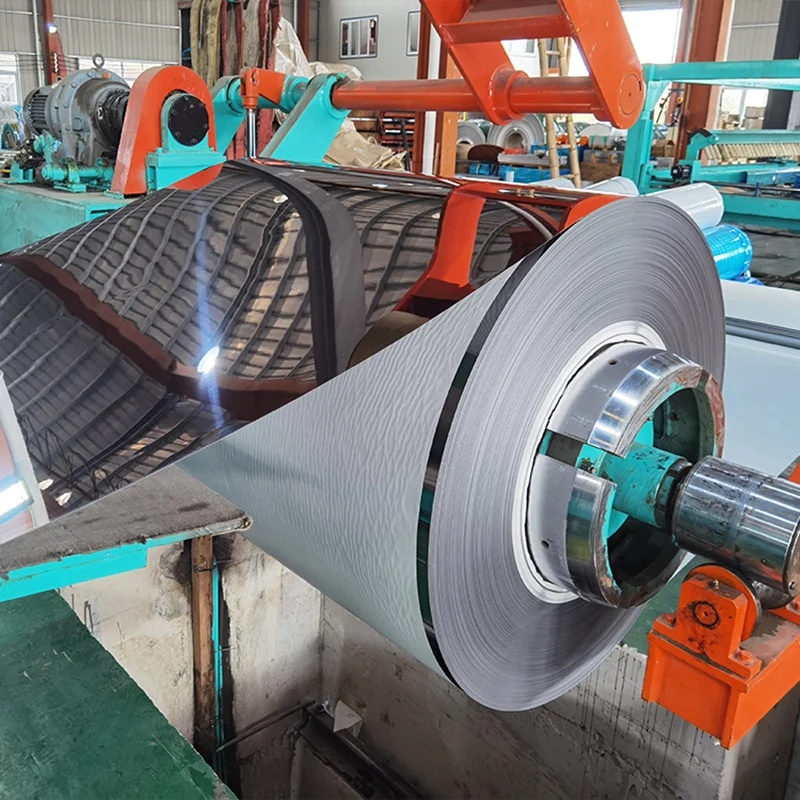
- Stainless steel coils
- Stainless steel plates
- Stainless steel rods
- Stainless steel pipes
By developing low-carbon production plans for each category, exporters can ensure compliance with CBAM requirements while maintaining product quality and performance.
Compliance and Cost Control Go Hand in Hand
Adopting low-carbon manufacturing is not just about meeting regulations—it is also a smart cost-control strategy.
Benefits include:
- Lower CBAM-related costs and risks
- Improved access to EU markets
- Enhanced brand value as a sustainable supplier
- Greater stability in long-term export pricing
Companies that act early can turn compliance into a competitive advantage.
Industry Trend: Low-Carbon, Standardized, High-End Development
The stainless steel industry is undergoing a clear transformation. Three major trends are shaping its future:
Low-Carbon
Reducing emissions is now a core requirement, driven by global regulations and customer expectations.
Standardization
International standards and certifications are becoming more important for market access and trust-building.
High-End Development
Demand is shifting toward high-value, high-performance stainless steel products with advanced specifications and applications.
Suppliers that align with these trends are better positioned for sustainable growth.
How Exporters Can Stay Competitive
To succeed under CBAM and similar regulations, stainless steel exporters should:
- Invest in low-carbon production technologies
- Increase the use of recycled raw materials
- Build transparent carbon tracking and reporting systems
- Obtain relevant international certifications
- Develop high-end, value-added product lines
These steps help ensure compliance while strengthening global competitiveness.
Conclusion
The EU CBAM marks a turning point for the stainless steel export industry. Carbon emissions are now directly linked to cost, compliance, and market access.
Low-carbon manufacturing is no longer optional—it is essential. By adopting clean energy, recycling materials, and optimizing processes, stainless steel producers can reduce costs, meet regulatory requirements, and secure a stronger position in the global market.
In this new era, low-carbon, standardized, and high-end development is not just a trend—it is the future of stainless steel exports.


