904L Stainless Steel Coil vs 316L: Which Stainless Steel Is Better?
News Details
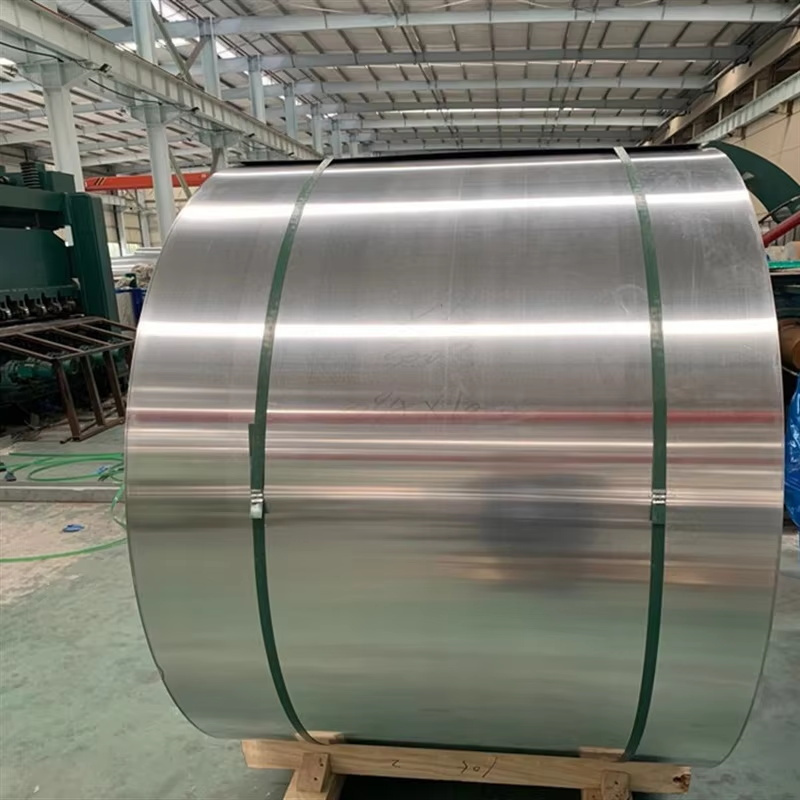
Choosing the right stainless steel grade is important for product life, safety, and total cost. Among the many stainless steel options, 904L stainless steel coil and 316L stainless steel coil are both known for excellent corrosion resistance. However, they are designed for different service conditions.
So, which one is better, 904L or 316L?
The answer depends on your working environment. In general, 316L is a practical and cost-effective choice for many marine, chemical, food, and industrial applications. On the other hand, 904L is a better choice when the material must handle stronger acids, severe chloride exposure, or other highly corrosive conditions.
What Is 904L Stainless Steel Coil?
904L stainless steel is a super austenitic stainless steel grade. It contains high levels of nickel and molybdenum, along with chromium and copper. Its very low carbon content also helps reduce the risk of intergranular corrosion after welding.
Because of this special alloy design, 904L offers excellent resistance to many aggressive environments. In particular, it performs well in strong acids, chloride-rich conditions, pitting, and crevice corrosion.
ZYCPsteeldescribes its 904L stainless steel products as suitable for highly corrosive environments. The company also lists 904L stainless steel coil for chemical processing, acid storage tanks, pharmaceutical equipment, and flue gas treatment.
Therefore, 904L stainless steel coil is often selected when standard stainless steel grades may not provide enough corrosion protection.
What Is 316L Stainless Steel Coil?
316L stainless steel is another popular austenitic stainless steel grade. It contains chromium, nickel, and molybdenum. The molybdenum content gives 316L better resistance to pitting and chloride corrosion than 304L stainless steel.
The "L" in 316L means low carbon. This makes the grade well suited to welded structures because it helps lower the risk of corrosion around welded areas.
316L is widely used in marine equipment, chemical processing equipment, pharmaceutical machinery, valves, food processing equipment, and other industrial products.
ZYCPsteel lists 316 and 316L stainless steel coil among its stainless steel coil products. Its product information highlights the grade's strong pitting corrosion resistance, especially in chloride environments.
904L vs 316L Stainless Steel: Key Differences
The main difference between 904L and 316L is their alloy content and resulting corrosion resistance.
904L contains more nickel and molybdenum than 316L. It also contains copper, which helps improve resistance to certain reducing acids.
As a result, 904L generally provides better corrosion resistance in more aggressive chemical environments.
However, this does not mean that 904L is always the better choice. For many normal industrial and marine applications, 316L already provides enough performance.
The key differences can be summarized as follows:
Property904L Stainless Steel316L Stainless SteelStainless steel familySuper austeniticAusteniticCorrosion resistanceExcellentVery goodAcid resistanceExcellentGood to very goodChloride resistanceExcellentVery goodPitting resistanceExcellentVery goodWeldingGood with proper proceduresExcellentFormabilityGoodExcellentTypical costHigherLowerTypical useSevere corrosionGeneral industrial and marine use
Therefore, the right grade depends on the actual service conditions rather than simply choosing the more expensive material.
904L vs 316L Corrosion Resistance
Corrosion resistance is one of the most important reasons to compare 904L and 316L.
316L performs well in many chloride environments. It is a common choice for seawater-related equipment, marine components, chemical equipment, and industrial systems.
However, when the environment becomes more aggressive, 904L can offer a clear advantage.
Its higher alloy content provides stronger resistance to:
- Strong acids
- Chloride-rich environments
- Pitting corrosion
- Crevice corrosion
- Some reducing acid conditions
- Aggressive chemical processing environments
For example, if a stainless steel coil will be exposed to highly corrosive chemicals for long periods, 904L may provide a longer service life than 316L.
Therefore, 904L stainless steel coil is usually the better option when maximum corrosion resistance is a top priority.
904L vs 316L Strength and Mechanical Performance
Strength is another factor buyers should consider. However, the choice between 904L and 316L should not be based only on strength.
Both grades are austenitic stainless steels. Their mechanical performance can vary depending on product thickness, processing condition, and whether the material is annealed or cold worked.
In many applications, 316L provides sufficient strength and durability. It is also widely available and easy to process.
904L can also provide reliable mechanical performance. However, its main advantage is not simply higher strength. Instead, its biggest benefit is its ability to resist corrosion in difficult environments.
So, if your project needs higher corrosion resistance rather than higher mechanical strength, 904L may be the more suitable material.
904L vs 316L Cost Comparison
Cost is one of the biggest differences between 904L and 316L.
904L normally costs more because it contains higher levels of nickel and molybdenum and has a more complex alloy design.
316L, by comparison, offers a strong balance between price and performance. That is why it is used in a wide range of industrial products.
However, material price should not be the only factor.
A cheaper stainless steel grade may become more expensive over time if it corrodes faster and needs more maintenance or replacement.
For this reason, buyers should consider the total cost of ownership.
If the environment is mild or moderately corrosive, 316L may provide better value. If corrosion conditions are severe, the higher initial cost of 904L may be justified by its longer service life.
904L Stainless Steel Coil Applications
904L stainless steel coil is designed for applications where high corrosion resistance is required.
Common applications include:
- Chemical processing equipment
- Acid storage tanks
- Pharmaceutical equipment
- Flue gas treatment systems
- Chemical storage systems
- Marine equipment
- Heat exchangers
- Industrial processing equipment
ZYCPsteel specifically lists chemical processing, acid storage tanks, pharmaceutical equipment, and flue gas treatment among the applications for its 904L stainless steel coil.
As a result, 904L is a strong option for projects where ordinary stainless steel may not provide enough protection.
316L Stainless Steel Coil Applications
316L stainless steel coil has a much wider range of common uses.
Typical applications include:
- Marine equipment
- Seawater systems
- Chemical equipment
- Pharmaceutical machinery
- Valves
- Food processing equipment
- Industrial machinery
- Architectural components
Its combination of corrosion resistance, weldability, formability, and availability makes 316L a popular choice for general industrial applications.
ZYCPsteel also identifies marine equipment, seawater systems, chemical equipment, pharmaceutical machinery, and valves as common applications for its 316 and 316L stainless steel coil.
904L vs 316L Welding and Fabrication
Both 904L and 316L can be fabricated using common stainless steel processing methods. However, 316L is generally easier and more economical to fabricate.
316L has excellent weldability and is commonly used in welded equipment and structures.
904L can also be welded successfully, but fabrication requires suitable procedures and proper control. Because 904L contains higher levels of alloying elements, buyers should work with experienced fabricators and follow the correct welding process.
Therefore, if easy fabrication and broad processing support are important, 316L can be the simpler choice.
If corrosion resistance is the main requirement, the extra fabrication considerations of 904L may be worthwhile.
When Should You Choose 904L Stainless Steel Coil?
Choose 904L stainless steel coil when your project involves highly corrosive conditions.
It can be a strong choice when you need:
- High resistance to strong acids
- Excellent chloride corrosion resistance
- Strong resistance to pitting and crevice corrosion
- Long service life in aggressive environments
- Reliable performance in chemical processing
- Better protection than standard austenitic grades
In short, 904L makes more sense when corrosion could cause major equipment failure, downtime, or maintenance costs.
When Should You Choose 316L Stainless Steel Coil?
316L stainless steel coil is often the better choice when you need a reliable material at a more controlled cost.
Choose 316L when:
- The environment is moderately corrosive
- Chloride resistance is important but extreme corrosion is not expected
- Easy welding and fabrication are needed
- You need a widely available stainless steel grade
- Project cost is an important factor
- Standard industrial performance is enough
For many marine, food, pharmaceutical, construction, and general industrial projects, 316L offers an excellent balance of performance and cost.
904L vs 316L: Which Stainless Steel Is Better?
There is no single answer to which grade is better.
904L is better for highly corrosive and demanding environments.
316L is better for general applications where good corrosion resistance, easy fabrication, availability, and cost control are important.
A simple way to decide is:
- Choose 904L for severe chemical and corrosion conditions.
- Choose 316L for general marine, industrial, and chemical applications.
- Choose 904L when long-term corrosion resistance is more important than initial material cost.
- Choose 316L when you need a strong balance between performance and price.
Therefore, the best stainless steel grade is the one that matches your actual operating environment.
ZYCPsteel904L and 316L Stainless Steel Coil Solutions
ZYCPsteel, operated by Jiangsu Zhong Yong Cheng Pu Precision Manufacturing Co., Ltd., is a China-based stainless steel supplier located in Wuxi, Jiangsu, near Shanghai Port. The company provides stainless steel coils, plates, sheets, strips, pipes, and bars in different grades, sizes, and surface finishes.
Its stainless steel coil range includes both 904L Stainless Steel Coil and 316/316L Stainless Steel Coil, allowing buyers to compare different grades based on corrosion resistance, application, and project requirements.
ZYCPsteelalso focuses on quality control, product precision, durability, and customized stainless steel solutions. Its products are used in industries including medical equipment, precision instruments, energy, construction, automotive, and decoration.
For buyers who are not sure whether 904L or 316L is the right choice, working with an experienced stainless steel supplier can help reduce material selection risks. The supplier can help match the grade, size, surface finish, and product form to the actual application.
Final Thoughts on 904L Stainless Steel Coil vs 316L
Both 904L and 316L are high-performance stainless steel grades, but they serve different needs.
316L is a versatile and cost-effective choice for many industrial and marine applications. It offers strong corrosion resistance, excellent weldability, and wide availability.
904L, however, is designed for more demanding environments. Its higher alloy content gives it excellent resistance to strong acids, chloride corrosion, pitting, and crevice corrosion.
So, before choosing between a 904L stainless steel coil and a 316L stainless steel coil, consider the chemical environment, temperature, corrosion risk, fabrication needs, service life, and total project cost.
When the environment is highly aggressive, 904L is often worth the higher initial cost. For most standard applications, however, 316L can provide an excellent balance of performance and value.


