2205 Stainless Steel Coil vs 316 Stainless Steel Coil: Key Differences
News Details
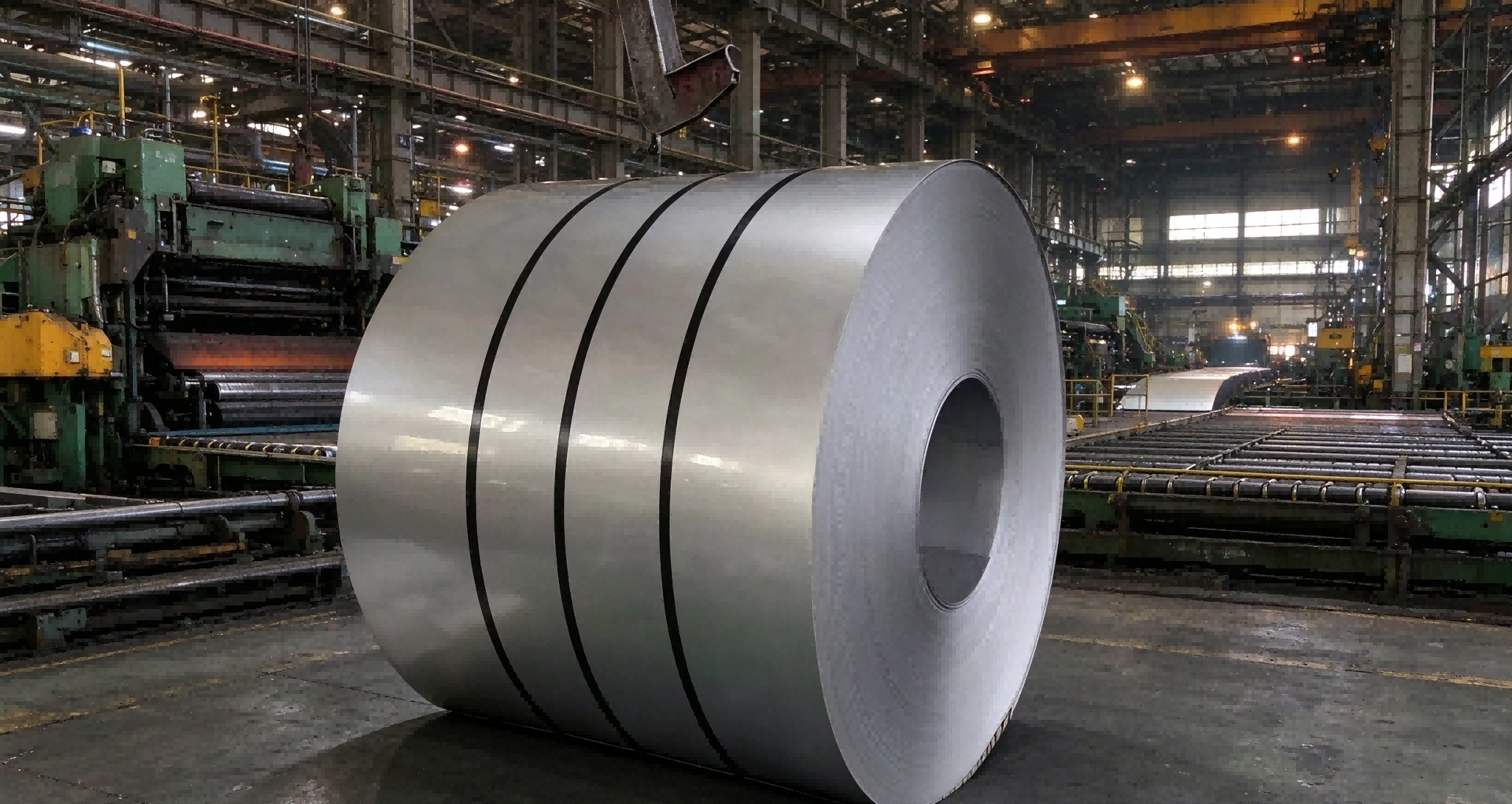
The right stainless steel coil selection is essential for product quality, service life, and production costs. 2205 and 316 are two common grades of stainless steel for industrial use. Both have good corrosion resistance. However, they differ in structure, strength, and applications.
So, What is the difference between 2205 stainless steel coil and 316 stainless steel coil? Which will work best for your project?
This guide compares their primary features, corrosion resistance, mechanical strength, cost, and common applications. We also explain how to select the suitable material for your needs.
What Is 2205 Stainless Steel Coil?
2205 stainless steel coil is a type of duplex stainless steel. Its austenite and ferrite mixed structure provides high strength and corrosion resistance.
Chromium, nickel, molybdenum, and nitrogen are the primary elements of this grade. These elements contribute to the steel's corrosion resistance, particularly in chloride environments.
Its high strength is one of its most important advantages. In general, the yield strength of 2205 is roughly double that of typical austenitic grades like 316. As a result, it can be an excellent option for equipment that must handle high pressure, heavy loads, or harsh working conditions.
Key features of 2205 stainless steel coil include:
-
High mechanical strength and good load capacity
Excellent chloride stress corrosion cracking resistance
Good pitting and crevice corrosion resistance
Good performance in marine and chemical environments
Potential for material thickness reduction in suitable designs
These properties make 2205 stainless steel coil widely used in pressure vessels, offshore platforms, oil and gas pipelines, and water treatment equipment.
What Is 316 Stainless Steel Coil?
316 stainless steel coil is a type of austenitic stainless steel. It contains chromium, nickel, and molybdenum. Molybdenum improves resistance to pitting and crevice corrosion.
Compared to 304 stainless steel, 316 offers better protection in many chloride-containing environments. Consequently, it is frequently utilized in marine equipment, chemical processing, food production, and pharmaceutical machinery.
Another advantage is its good processing performance. It can be cut, bent, stamped, and welded. Consequently, manufacturers can utilize it for various products and components.
Key features of 316 stainless steel coil include:
-
Good general corrosion resistance
Superior chloride pitting resistance than 304 in many conditions
Good formability and weldability
Stable performance in many industrial environments
Common usage in marine, chemical, and food-related industries
Another low-carbon version is called 316L. It has less carbon, reducing the risk of intergranular corrosion following welding. Therefore, welded structures and equipment frequently choose 316L.
2205 Stainless Steel Coil vs. 316 Stainless Steel Coil: Key Differences
Although both grades have good corrosion resistance, they differ in several important ways. Knowing these variations may assist buyers in making a better decision.
1. Chemical Composition of 2205 vs. 316 Stainless Steel
The first difference is their chemical composition.
2205 stainless steel has more chromium and molybdenum than standard 316 in typical grade specifications. Additionally, it has nitrogen, which increases strength and corrosion resistance.
Meanwhile, 316 stainless steel has an austenitic structure and a higher nickel content in typical specifications.
|
Element |
2205 Stainless Steel |
316 Stainless Steel |
|---|---|---|
|
Chromium |
22–23% |
16–18% |
|
Nickel |
4.5–6.5% |
10–14% |
|
Molybdenum |
3.0–3.5% |
2–3% |
|
Nitrogen |
0.14–0.20% |
Usually low |
|
Structure |
Duplex |
Austenitic |
Note: These are standard composition ranges. Actual limits depend on the applicable material standard and exact grade.
As a result, the two materials have different mechanical and corrosion properties. 2205 is intended for greater strength and increased resistance to specific severe chloride environments. Conversely, 316 provides good corrosion resistance with simpler general fabrication.
2. Strength Comparison: 2205 vs. 316 Stainless Steel
The strength of these two materials is one of the most significant distinctions.
The yield strength of 2205 stainless steel is significantly higher than that of 316 stainless steel. In many common product standards, its minimum yield strength is roughly 450 MPa, whereas 316 is about 205 MPa for typical annealed products.
This implies 2205 can handle more mechanical loads in appropriate designs. Additionally, engineers may employ thinner material for certain components while maintaining strength requirements.
316, on the other hand, has lower strength but excellent toughness and easier shaping. Therefore, it remains a practical alternative for numerous general industrial products.
Choose 2205 when:
-
Your equipment requires greater mechanical strength.
-
The design consists of heavy loads or pressure.
-
You want to reduce material thickness where engineering calculations allow.
Choose 316 when:
-
The standard mechanical strength is sufficient.
-
The product needs more complicated forming.
-
Easy processing is a primary concern.
3. Corrosion Resistance of 2205 and 316 Stainless Steel
Both materials resist corrosion, but their performance varies in certain environments.
316 stainless steel works well in many mild corrosive conditions. Its molybdenum content improves chloride pitting resistance compared to 304. It is suited for marine-related parts, chemical equipment, and industrial systems.
However, 316 may experience issues in warm, high-chloride environments, particularly when stress corrosion cracking is a concern.
2205 stainless steel provides greater resistance to chloride pitting, crevice corrosion, and stress corrosion cracking in various applications. Consequently, offshore equipment, seawater systems, and chemical processing equipment often choose it.
However, neither grade is fully corrosion-proof. Actual performance depends on temperature, chloride concentration, chemical exposure, surface condition, and operating circumstances.
4. Welding and Processing Performance
Processing is another essential factor when comparing 2205 and 316 stainless steel coils.
316 stainless steel has good formability and weldability. It can be processed using common methods like bending, stamping, cutting, and welding. As a result, it meets various manufacturing requirements.
2205 can also be welded and formed. However, its greater strength implies that more force may be necessary during forming. Additionally, welding requires careful control of heat input and cooling to maintain a suitable balance between ferrite and austenite.
Therefore, manufacturers should adhere to the correct processing protocols when working with duplex stainless steel.
If your project involves intricate shapes or significant amounts of forming, 316 may be easier to process. Conversely, 2205 may perform better overall when strength and chloride corrosion resistance are top concerns.
5. Price and Long-Term Cost
The purchase price of stainless steel coils depends on several factors, including raw material prices, market demand, thickness, width, surface finish, and order quantity.
The nickel content of 316 stainless steel is higher than that of 2205 in typical grade compositions. Since nickel prices can vary, this may impact the price difference between the two materials.
The initial price of 2205 may exceed that of certain typical stainless steel grades. However, its greater strength can help minimize material use in specific designs. It may also reduce maintenance costs in suitable corrosive environments.
Conversely, 316 can be a more practical and cost-effective option for applications that do not require the increased strength of duplex steel.
Therefore, purchasers should compare the overall project cost rather than solely the price per ton.
2205 Stainless Steel Coil vs. 316 Stainless Steel Coil: Applications
Both grades are utilized in industrial manufacturing. However, their unique properties make them suited to various working conditions.
Applications of 2205 Stainless Steel Coil
2205 stainless steel coil's high strength and strong corrosion resistance make it widely used in demanding industrial environments.
Common applications include:
-
Oil and gas industry: Pipelines, pressure vessels, and offshore equipment.
Marine engineering: offshore platforms, seawater systems, and ship components.
Chemical processing: storage tanks, heat exchangers, and chemical pipelines.
Water treatment: Desalination equipment, water tanks, and industrial water systems.
Heavy industrial equipment: structural parts and components that need high strength.
For these applications, 2205 can provide a good combination of mechanical strength and corrosion protection.
Applications of 316 Stainless Steel Coil
316 stainless steel coil is suited for many applications needing strong corrosion resistance and simple processing.
Common applications include:
-
Food processing: food production equipment, storage tanks, and processing machines.
Pharmaceutical industry: pharmaceutical equipment and clean production systems.
Marine equipment: ship fittings, marine components, and coastal equipment.
Chemical industry: chemical tanks, valves, and processing equipment.
General manufacturing: industrial parts, metal products, and machinery components.
316 offers reliable corrosion resistance and good fabrication performance in these applications.
2205 vs. 316 Stainless Steel: Comparison Table
The table below summarizes their key differences.
|
Comparison |
2205 Stainless Steel |
316 Stainless Steel |
|---|---|---|
|
Steel type |
Duplex |
Austenitic |
|
Main structure |
Ferrite + Austenite |
Austenite |
|
Yield strength |
About 450 MPa minimum |
About 205 MPa minimum |
|
Nickel content |
Lower |
Higher |
|
Chloride resistance |
Excellent in many conditions |
Good, but more limited |
|
Stress corrosion cracking resistance |
Generally better |
More susceptible |
|
Formability |
More demanding |
Good |
|
Weldability |
Requires controlled procedures |
Good |
|
Typical applications |
Offshore, oil and gas, chemical equipment |
Food, pharmaceutical, marine, general industry |
Note: Mechanical values are typical reference values for common annealed grades. Before purchasing, always consult the relevant product standard and material certificate.
How to Choose Between 2205 and 316 Stainless Steel Coil
Choosing 2205 versus 316 depends on your project requirements. Before placing an order, consider the following factors.
1. Check the Working Environment
First, determine the intended use of the stainless steel coil.
2205 may be preferable if the equipment operates in a high chloride environment or poses severe corrosion risks. However, 316 may provide sufficient protection if the workplace is less harsh.
2. Consider Mechanical Strength
Next, evaluate the load and pressure requirements.
2205 is often the preferred alternative for equipment requiring high strength. Its increased yield strength can support demanding designs.
Meanwhile, 316 is suitable for many products that do not require such high mechanical strength.
3. Review Processing Requirements
You should also consider how the material will be processed.
316 may be easier to work with if your production involves intricate bending, stamping, or forming. However, if your project can meet the processing requirements of duplex steel, 2205 may perform better.
4. Compare the Total Project Cost
Finally, compare the overall cost of each material.
Do not focus solely on the purchase price. Instead, consider material consumption, processing costs, maintenance needs, and expected service life.
For instance, 2205 may help decrease material thickness in certain applications. Conversely, 316 may reduce manufacturing complexity for products needing extensive forming.
By analyzing these variables, you can select a stainless steel coil that satisfies technical and budgetary requirements.
ZYCPsteel: Stainless Steel Coil Supplier for Industrial Applications
Finding a reliable stainless steel supplier is also essential for product quality and stable production.
ZYCPsteel, a subsidiary of Jiangsu Zhong Yong Cheng Pu Precision Manufacturing Co., Ltd., is a Chinese manufacturer and supplier of stainless steel based in Wuxi, close to Shanghai Port.
The company provides an array of stainless steel products, including:
-
Stainless steel coils
Stainless steel plates and sheets
Stainless steel strips
Stainless steel products in different grades, sizes, and surface finishes
Its product line includes 2205 duplex stainless steel coil and 316/316L stainless steel coil.
2205 Stainless Steel Coil
ZYCPsteel's 2205 stainless steel coil combines a duplex structure with high mechanical strength and strong chloride corrosion resistance. It suits chemical processing, offshore engineering, pressure vessels, and water treatment applications.
316/316L Stainless Steel Coil
ZYCPsteel also supplies 316/316L stainless steel coil. Molybdenum improves pitting and crevice corrosion resistance. Additionally, 316L offers a reduced carbon content, making it appropriate for various welding applications.
The company focuses on quality control, product precision, and long-term customer relationships. Its stainless steel products serve medical equipment, precision instruments, energy, building, automotive, and decoration sectors.
When purchasing stainless steel coils, buyers should confirm the following details with the supplier:
-
Material grade and applicable standard
Coil thickness and width
Surface finish requirements
Chemical composition and mechanical properties
Material test certificates
Order quantity and delivery time
Visit the ZYCPsteel official website to explore its stainless steel product range and discuss your project requirements.
Product references: 2205 Stainless Steel Coil and 316/316L Stainless Steel Coil.
Conclusion: 2205 Stainless Steel Coil or 316 Stainless Steel Coil?
Both 2205 and 316 stainless steel coils offer excellent corrosion resistance and dependable performance. However, they are made to meet various needs.
2205 stainless steel coil is ideal for projects needing high mechanical strength and enhanced resistance to chloride stress corrosion cracking. It is utilized in offshore engineering, oil and gas, chemical processing, and water treatment.
Conversely, 316 stainless steel coil is suited for general industrial applications requiring strong corrosion resistance, simple fabrication, and consistent performance. Food processing, pharmaceutical equipment, marine components, and machinery frequently use it.
In short, if strength and severe corrosion resistance are your primary concerns, choose 2205. If good corrosion resistance and simpler processing are more critical, choose 316.
Before deciding, compare the working environment, technical requirements, processing methods, and overall project cost. You can also contact ZYCPsteel to discuss the suitable stainless steel coil specifications for your application.


