2205 Stainless Steel Coil Supplier: What to Consider
News Details
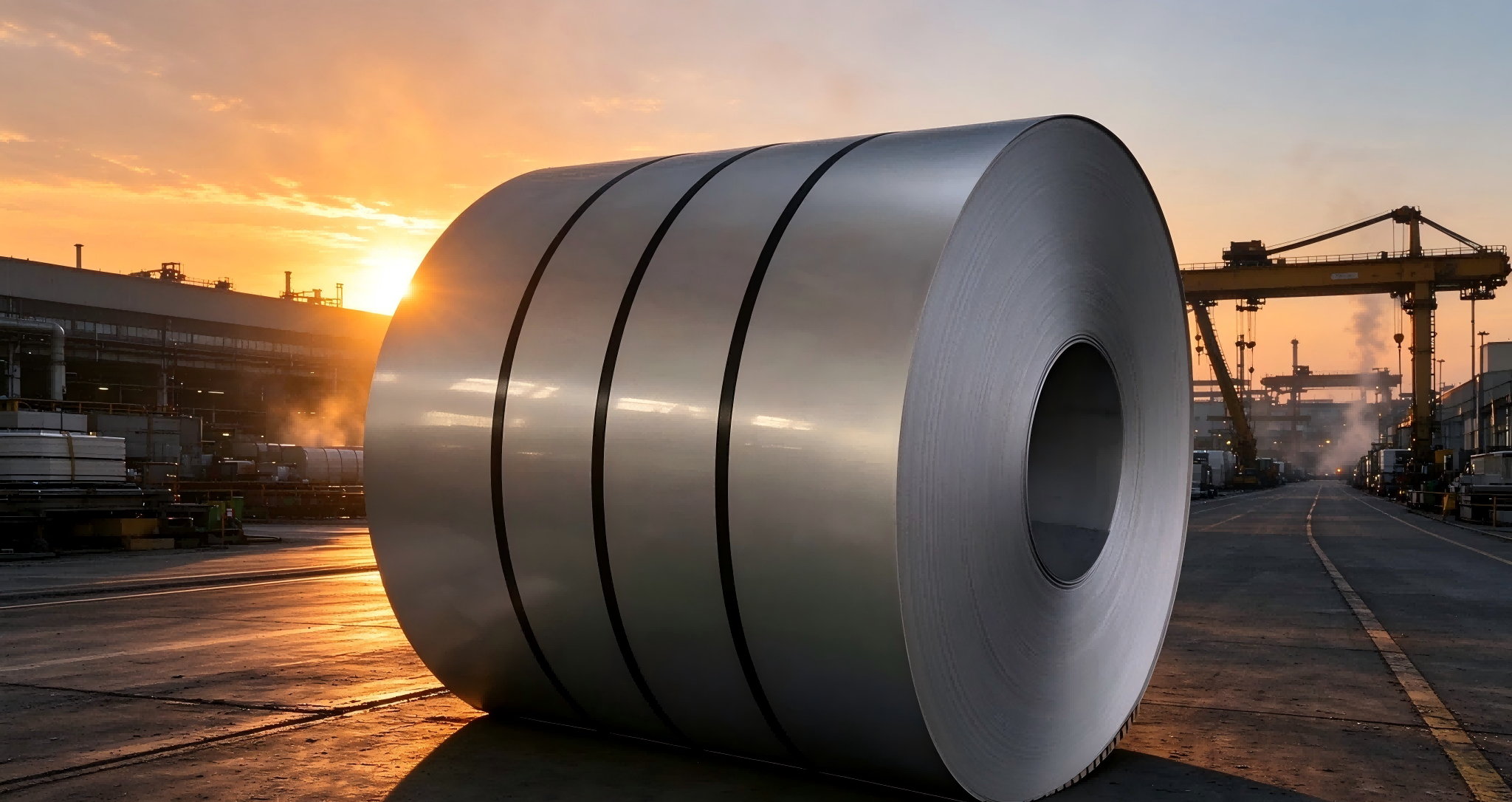
Selecting a reliable 2205 stainless steel coil supplier is essential for industrial buyers. The quality of the material directly influences product strength, corrosion resistance, processing efficiency, and overall service life. Therefore, buyers should evaluate suppliers based on more than just price when making comparisons.
2205 stainless steel is a duplex grade that combines both austenitic and ferritic microstructures. It is known for its high strength and excellent resistance to a wide range of corrosive environments. Consequently, it is frequently chosen for chemical processing equipment, marine systems, oil and gas infrastructure, and water treatment facilities.
However, not all suppliers offer the same level of product variety, quality assurance, or customer support. This guide outlines the key factors to verify before purchasing 2205 stainless steel coil and explains how ZYCPsteel can address your procurement requirements.
What Exactly Is 2205 Stainless Steel Coil?
2205 stainless steel coil is a type of duplex stainless steel widely recognized for its mechanical strength and corrosion resistance. Its composition includes significant amounts of chromium, nickel, molybdenum, and nitrogen. The synergy of these alloying elements equips the material to withstand various forms of corrosion.
When compared to standard grades like 304 and 316 stainless steel, 2205 typically provides a substantially higher yield strength and superior resistance to chloride-induced stress corrosion cracking. This makes it a highly practical choice for heavy-duty industrial applications.
Typical applications include:
- Chemical storage tanks and processing vessels
- Oil and gas transmission pipelines
- Marine and offshore engineering equipment
- Pressure-bearing vessels
- Industrial water treatment installations
- Specific heat exchangers and structural components
It is important to note that 2205 is not universally suitable for every environment. Variables such as temperature, chemical concentrations, fabrication techniques, and operational conditions can significantly impact its performance. Buyers must assess these parameters carefully before selecting this grade.
Verify the Product Quality of Your 2205 Stainless Steel Coil Supplier
Assessing product quality should be the top priority when shortlisting a supplier. Even if two products share the same grade designation, it is crucial to confirm that the material conforms to your specific technical specifications.
Confirm the Exact Stainless Steel Grade Designation
Begin by identifying the precise grade required for your application. While "2205" is commonly associated with UNS S32205, UNS S31803 is a closely related variant. Despite their similarities, their chemical composition requirements are not identical.
Therefore, avoid relying solely on marketing names. Always request the supplier to explicitly confirm the exact grade and the corresponding international material standard.
Request Official Material Test Certificates (MTC)
A Material Test Certificate is a critical document used to validate the steel's chemical composition and its mechanical properties. Depending on the strictness of your project, you might also require third-party inspection reports or additional quality assurance documentation.
Furthermore, ensure that the certificates provided correlate directly with the physical coils being delivered. This cross-referencing is vital for pressure equipment, offshore constructions, and other sectors with stringent material compliance regulations.
A dependable supplier should transparently outline their quality management system. Inquire about their methodologies for inspecting material compliance, dimensional accuracy, surface integrity, and batch-to-batch consistency.
Well-defined inspection protocols minimize the risk of receiving substandard materials that could disrupt your manufacturing operations.
Compare Technical Specifications for 2205 Stainless Steel Coils
Aligning the technical specifications of the coil with your manufacturing capabilities ensures seamless integration. Prepare a comprehensive list of your technical needs before soliciting a formal quotation.
Coil Thickness and Width
The dimensions of the coil dictate material utilization, cutting procedures, forming operations, and overall throughput. If the supplied dimensions deviate from your production setup, you might incur extra costs for secondary cutting or face increased material scrap rates.
Before finalizing a purchase, double-check the required thickness, width, permissible dimensional tolerances, and bulk order quantities.
Surface Finish
The surface finish of the stainless steel impacts its aesthetic appeal, ease of cleaning, and compatibility with downstream processing. Depending on the end-use application, you might require a standard mill finish or a specific, customized surface texture.
Confirm with the supplier the range of available surface finishes. If the coil is destined for a product with strict cosmetic or hygiene standards, explicitly document these surface requirements in your purchase order.
Coil Weight and Packaging Integrity
The weight of the coil influences logistics, warehousing infrastructure, and material handling equipment requirements. Additionally, robust packaging is essential to safeguard the material from environmental damage during transit and storage.
Inquire about the standard coil weights, packaging configurations (such as moisture-proof wrapping and edge protection), and loading procedures. For export orders, it is also necessary to clarify the agreed shipping terms (Incoterms) and the exact point of delivery.
Assess the Corrosion Resistance Capabilities of 2205 Stainless Steel
The primary incentive for selecting 2205 stainless steel is its robust performance against highly corrosive mediums.
This alloy exhibits excellent resilience in environments containing chlorides. Compared to standard austenitic grades like 304 and 316, it offers markedly better resistance to pitting corrosion, crevice corrosion, and chloride stress corrosion cracking (SCC).
Nevertheless, no stainless steel is entirely immune to corrosion. Extreme operating temperatures, highly aggressive chemical agents, compromised surface conditions, and improper welding techniques can all degrade its protective properties.
To ensure optimal material selection, communicate your exact operational parameters to the supplier or a certified metallurgical engineer. Key details to share include:
- Specific chemicals involved and their concentrations
- Chloride ion levels in the solution
- Average and peak operating temperatures
- System pressure and structural mechanical loads
- Frequency of exposure to seawater or untreated industrial fluids
- Anticipated welding and cold-forming requirements
Armed with this contextual data, you can make a well-informed decision regarding material grade selection, thereby mitigating the risk of premature component failure.
Evaluate Price Structure and Overall Value When Comparing Suppliers
While cost is a significant factor, the lowest initial quotation does not necessarily equate to the highest long-term value.
A competitively priced coil might fail to meet your dimensional requirements, quality benchmarks, or delivery timeline. If such a discrepancy leads to unplanned production downtime or excessive material waste, the total cost of ownership will inevitably rise.
When evaluating proposals, normalize the comparison by using identical technical specifications. Analyze variables such as the material grade, dimensions, surface finish, inclusion of quality documentation, packaging methods, and trade terms.
It is also prudent to factor in downstream processing costs and the projected lifecycle of the final product. The superior strength-to-weight ratio of 2205 may allow for the use of thinner gauges in certain structural designs. However, any reduction in material thickness must be rigorously validated through engineering calculations.
A detailed, itemized quotation allows for a comprehensive assessment of total costs, beyond simply comparing the price per kilogram or ton.
Examine Supplier Capabilities in Logistics and Customization
Reliable lead times are critical, especially when stainless steel coil feeds into a continuous manufacturing process. Unanticipated delays can cascade into disrupted production schedules, missed customer delivery dates, and inefficient inventory management.
Prior to issuing a purchase order, verify with the supplier the current stock availability, estimated production cycle (lead time), minimum order quantities (MOQ), and freight logistics.
If your project necessitates non-standard dimensions or specialized processing, confirm the supplier's capability to fulfill these custom requirements. Depending on the product type and order volume, value-added services might include custom slit widths, cut-to-length services, or tailored surface treatments.
Furthermore, clarify the supplier's protocol for handling order modifications or urgent schedule changes. Establishing clear communication channels upfront streamlines the procurement process and prevents costly misunderstandings.
Why Select ZYCPsteel for Your 2205 Stainless Steel Coil Needs?
Operated by Jiangsu Zhong Yong Cheng Pu Precision Manufacturing Co., Ltd., ZYCPsteel is a specialized stainless steel distributor headquartered in Wuxi, China. Their product lineup, featured on their official website, encompasses a wide array of stainless steel forms, including coils, plates, sheets, strips, pipes, and bars. The company emphasizes its diverse range of grades, dimensions, surface finishes, and rigorous quality control standards. (ZYCPsteel official website)
For industrial buyers looking to procure 2205 stainless steel coil, ZYCPsteel serves as a valuable resource for evaluating technical specifications and negotiating supply agreements.
The company prominently features 2205 Stainless Steel Coil in its catalog, targeting applications such as pressure vessels, offshore drilling platforms, water treatment plants, and oil & gas pipelines. Their product literature underscores the material's characteristic duplex microstructure, elevated mechanical strength, and resistance to corrosion-induced stress cracking. (2205 Stainless Steel Coil)
Before confirming an order, we recommend reaching out directly to the ZYCPsteel sales team to validate current stock levels, exact material grade (e.g., S32205 vs. S31803), dimensional tolerances, surface finishes, availability of Mill Test Certificates, and estimated delivery schedules. Verifying these granular details ensures that the delivered material aligns perfectly with your project's engineering and logistical requirements.
Essential Questions to Ask Your 2205 Stainless Steel Coil Supplier
Before finalizing your supplier selection, consider asking the following clarifying questions:
- Can you reliably supply the specific 2205 grade and material standard (e.g., ASTM A240, EN 10028) required for our project?
- What range of thicknesses and inner/outer widths do you currently hold in stock or can produce?
- Is a full, heat-numbered Material Test Certificate (MTC) to EN 10204 3.1 or 3.2 provided with every shipment?
- What surface finishes (e.g., 2B, BA, pickled) and secondary processing options (slitting, cut-to-length) are available?
- What are your standard Minimum Order Quantity (MOQ) requirements and typical lead times for production?
- Can you describe the packaging methodology used to protect the coils from moisture and mechanical damage during ocean freight?
- Do you maintain consistent manufacturing batches to ensure uniformity across repeat orders scheduled months apart?
The responses to these inquiries will provide deeper insights, enabling a more objective side-by-side comparison of supplier capabilities. Additionally, securing written confirmations of these technical parameters mitigates the risk of order inaccuracies.
Conclusion: Selecting the Optimal 2205 Stainless Steel Coil Partner
Identifying a trustworthy supplier for 2205 stainless steel coil demands a holistic evaluation that transcends mere price comparisons. Procurement teams must meticulously verify the exact material grade, metallurgical quality, dimensional accuracy, surface preparation, certification packages, logistical efficiency, and after-sales technical support.
2205 duplex stainless steel is celebrated for its formidable mechanical strength and robust resistance to aggressive chloride environments. Consequently, it represents an outstanding material solution for demanding, heavy-industry applications. Nonetheless, its deployment must be carefully validated against the specific chemical exposures, temperature ranges, and fabrication methodologies of the intended use case.
By establishing unambiguous technical benchmarks and partnering with a supplier capable of providing full transparency regarding product provenance and manufacturing controls, you can significantly de-risk your supply chain and ensure operational continuity.
To dive deeper into the technical datasheets for 2205 stainless steel coil and to initiate a discussion regarding your unique specifications, we invite you to visit ZYCPsteel at https://www.zycsteelss.com/.


