Properties and Applications of 2205 Stainless Steel Coil
News Details
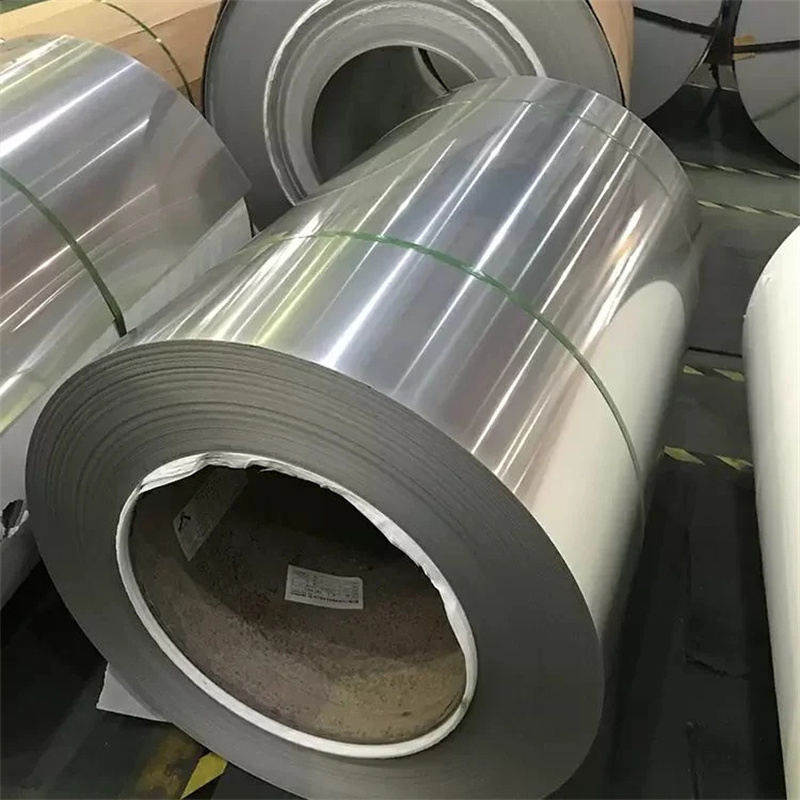
2205 stainless steel coil is a popular choice for industries that need good strength and strong corrosion resistance. It belongs to the duplex stainless steel family, which combines the features of austenitic and ferritic stainless steel. As a result, it offers a useful balance of strength, toughness, and resistance to many corrosive environments.
Today, 2205 stainless steel coil is used in chemical plants, marine equipment, oil and gas systems, and other industrial projects. It can help meet demanding service needs while keeping material use under control.
However, choosing the right stainless steel coil requires more than looking at its name. Buyers should also consider its chemical composition, working conditions, surface finish, thickness, and processing needs. This guide explains the main properties and applications of 2205 stainless steel coil and how to select a suitable product.
What Is 2205 Stainless Steel Coil?
2205 stainless steel coil is a duplex stainless steel product made from an alloy that contains both austenitic and ferritic structures. Its common designation is UNS S32205, while UNS S31803 is another grade often linked to the 2205 family. Although these grades are closely related, their chemical requirements are not exactly the same.
The alloy mainly contains chromium, nickel, and molybdenum. It also contains nitrogen, which helps improve strength and resistance to local corrosion.
Compared with standard 304 and 316 stainless steel, 2205 generally offers higher strength and better resistance to chloride-related pitting and stress corrosion cracking. Therefore, it is often considered for projects where standard stainless steel may not provide enough performance.
Stainless steel coil is supplied in a rolled form, making it suitable for cutting, forming, and further processing. Depending on the project, buyers may select different thicknesses, widths, and surface finishes.
Key Properties of2205 Stainless Steel Coil
Understanding the main properties of 2205 stainless steel coil helps buyers decide whether it fits their project.
High Strength
One of the main benefits of duplex 2205 stainless steel is its high strength. Its yield strength is typically about twice that of common annealed 304 or 316 stainless steel, although the actual value depends on the product standard and delivery condition.
Because of this strength, engineers may be able to reduce material thickness in some designs. As a result, they can lower component weight or save material. However, any thickness reduction must be checked through proper engineering calculations.
Strong Corrosion Resistance
2205 stainless steel contains chromium, molybdenum, and nitrogen. Together, these elements help the alloy resist several forms of corrosion.
In particular, 2205 performs well in many environments that contain chlorides. These conditions may occur in marine equipment, chemical processing systems, and industrial water facilities.
Even so, 2205 is not completely corrosion-proof. Its performance depends on chloride levels, temperature, pH, surface condition, and other factors. Therefore, buyers should review the actual service environment before choosing the grade.
Good Resistance to Stress Corrosion Cracking
Stress corrosion cracking can occur when a metal is exposed to a corrosive environment while under tensile stress. It can cause cracks that grow over time and may lead to equipment failure.
Compared with many common austenitic stainless steels, 2205 usually provides better resistance to chloride stress corrosion cracking. For this reason, it is often used in equipment that operates in warm, chloride-rich environments.
However, the risk does not disappear completely. Proper material selection, design, welding, and maintenance remain important.
Good Wear and Fatigue Performance
The high strength of 2205 stainless steel can also help components handle repeated loads and demanding operating conditions. In suitable designs, it may offer useful fatigue performance and resistance to mechanical damage.
Still, wear resistance depends on the type of contact, surface finish, lubrication, and operating conditions. If abrasion is the main concern, buyers should compare 2205 with materials designed specifically for wear service.
Suitable for Industrial Processing
2205 stainless steel coil can be cut, formed, and welded using suitable methods. However, it does not behave exactly like 304 or 316 stainless steel.
Its higher strength can make forming more demanding. In addition, welding requires proper control of heat input and cooling to maintain a suitable balance between its two phases.
Therefore, manufacturers should follow the relevant processing guidelines when working with duplex stainless steel.
Chemical Composition of 2205 Stainless Steel
The chemical composition of 2205 stainless steel gives it many of its useful properties. Typical ranges for UNS S32205 are shown below. Exact limits should be confirmed against the applicable material standard and mill test certificate.
ElementTypical Content by WeightChromium (Cr)22–23%Nickel (Ni)4.5–6.5%Molybdenum (Mo)3.0–3.5%Nitrogen (N)0.14–0.20%Carbon (C)0.03% maximumManganese (Mn)2.0% maximumSilicon (Si)1.0% maximumIron (Fe)Balance
Chromium helps form a protective surface layer. Meanwhile, molybdenum and nitrogen improve resistance to pitting and crevice corrosion. Nickel supports the duplex structure and helps maintain toughness.
Together, these elements make 2205 a useful option for demanding industrial environments. However, chemical composition alone does not determine service life. Product quality, fabrication, surface condition, and operating conditions also matter.
Common Applications of 2205 Stainless Steel Coil
Because it combines strength with corrosion resistance, 2205 stainless steel coil is used in many industrial sectors.
Chemical Processing Equipment
Chemical plants often handle liquids and gases that can damage standard metals. Therefore, material selection is important for tanks, pipes, heat exchangers, and related equipment.
2205 stainless steel may be suitable for certain chemical processing environments, especially where chloride corrosion is a concern. However, the specific chemicals, their concentration, and operating temperature must be checked before use.
Marine and Coastal Equipment
Marine environments expose metal parts to salt water and chloride-rich air. Over time, these conditions can cause pitting and other forms of corrosion.
2205 stainless steel is often used for selected marine components, seawater-related equipment, and coastal industrial systems. Its strength can also support parts that face mechanical loads.
Nevertheless, seawater service can be very demanding. For highly aggressive conditions, buyers should compare 2205 with higher-alloy options and confirm the expected corrosion performance.
Oil and Gas Industry
Oil and gas projects may involve high pressure, corrosive fluids, and challenging operating conditions. As a result, materials must meet strict technical requirements.
2205 stainless steel may be used in selected process equipment, piping components, pressure-related parts, and support systems. Its strength and resistance to several forms of corrosion make it worth considering.
However, the right material depends on the fluid composition, pressure, temperature, and project specifications. Buyers should also confirm whether the product meets the standards required for the intended service.
Water Treatment and Industrial Water Systems
Water treatment facilities use many types of tanks, pipes, pumps, and processing equipment. In some systems, chlorides and other substances can increase corrosion risks.
2205 stainless steel may offer a suitable balance of strength and corrosion resistance for selected water treatment applications. It can also be considered for certain desalination-related components.
Even so, the water chemistry and temperature should be reviewed carefully. Different stages of a treatment system may require different materials.
Pulp, Paper, and Other Industrial Equipment
Some pulp and paper processes involve chemicals and liquids that can be hard on metal surfaces. Similarly, other industrial plants may need materials that handle both mechanical loads and corrosive conditions.
In these cases, 2205 stainless steel coil may be used to produce selected parts and components. Its suitability should be checked against the chemicals involved, operating conditions, and fabrication method.
2205 Stainless Steel Coil vs. 304 and 316 Stainless Steel
When choosing stainless steel coil, buyers often compare 2205 with 304 and 316. Each grade has different strengths, so the best choice depends on the job.
Feature304 Stainless Steel316 Stainless Steel2205 Stainless SteelSteel familyAusteniticAusteniticDuplexStrengthGeneral-purposeGeneral-purposeTypically much higher yield strengthChloride corrosion resistanceLimited in harsh conditionsBetter than 304 in many chloride environmentsGenerally better resistance to pitting and stress corrosion crackingFormingGenerally easyGenerally easyRequires more forceWeldingWidely usedWidely usedRequires controlled proceduresTypical usesFood equipment, appliances, general fabricationMarine-related parts, chemical equipment, process systemsDemanding chemical, marine, and industrial applications
In general, 304 is a practical choice for many everyday applications. Meanwhile, 316 may be better when improved resistance to certain chloride environments is needed.
By contrast, 2205 is worth considering when higher strength and better resistance to chloride-related corrosion are important. However, it may involve higher initial material costs and more demanding fabrication. Buyers should compare total project costs rather than purchase price alone.
How to Choose the Right 2205 Stainless Steel Coil
Selecting the right 2205 stainless steel coil helps improve product performance and control costs. Before placing an order, consider the following factors.
Check the Thickness and Width
First, confirm the required coil thickness and width. These dimensions affect cutting, forming, material use, and production efficiency.
Also, check the allowable dimensional tolerances. For projects with strict requirements, make sure the supplier can provide products that match the relevant specifications.
Confirm the Material Grade
Next, confirm whether the project requires UNS S32205, UNS S31803, or another grade. Although some grades are sold under similar trade names, their chemical composition and technical requirements may differ.
Ask for a material test certificate when required. This document helps verify the material's chemical composition and mechanical properties.
Select a Suitable Surface Finish
Surface finish can affect appearance, cleaning, and further processing. Depending on the application, buyers may need a standard mill finish or another specified finish.
Therefore, confirm the finish before ordering. If the coil will be used in a visible product or a process that requires a specific surface condition, include this requirement in the purchase specification.
Review the Working Environment
The service environment is one of the most important factors. Check the temperature, chloride level, chemical concentration, pressure, and mechanical loads.
For example, a component exposed to mild industrial water may have different requirements from one used in hot seawater. A material specialist can help compare the available grades when conditions are complex.
Evaluate Supplier Quality and Delivery
Finally, choose a supplier that can clearly confirm product specifications, available sizes, inspection requirements, and delivery terms.
For industrial orders, stable quality and clear communication are also important. If the coil requires special dimensions or additional processing, confirm these details before production begins.
ZYCPsteel Stainless Steel Coil Supply
ZYCPsteel supplies stainless steel products for industrial and manufacturing needs. When sourcing stainless steel coil, buyers can refer to the company's product range and confirm the availability of the required grade, size, and finish.
For 2205 stainless steel coil, buyers should provide clear technical details, including:
- Required grade, such as UNS S32205 or UNS S31803
- Coil thickness and width
- Surface finish and dimensional tolerances
- Required standards and inspection documents
- Intended application and any special processing needs
These details help the supplier assess the request and confirm whether a suitable product is available.
Before ordering, visit the official website at https://www.zycsteelss.com/ to review ZYCPsteel's stainless steel product information. For specific 2205 requirements, contact the company directly to confirm stock status, production options, certification, and delivery time.
Conclusion: Is 2205 Stainless Steel Coil the Right Choice?
2205 stainless steel coil offers a useful combination of high strength and strong resistance to many forms of corrosion. As a result, it is often considered for chemical processing, marine equipment, oil and gas systems, and other demanding industrial applications.
Compared with 304 and 316 stainless steel, 2205 can provide higher strength and better resistance to chloride pitting and stress corrosion cracking. However, it also requires careful material selection and suitable fabrication methods.
To make the right choice, review the operating environment, grade, thickness, surface finish, and relevant technical standards. Then, work with a qualified supplier to confirm product availability and quality requirements.
With proper selection and processing, 2205 stainless steel coilcan be a practical solution for projects that need strength, durability, and reliable corrosion performance.


